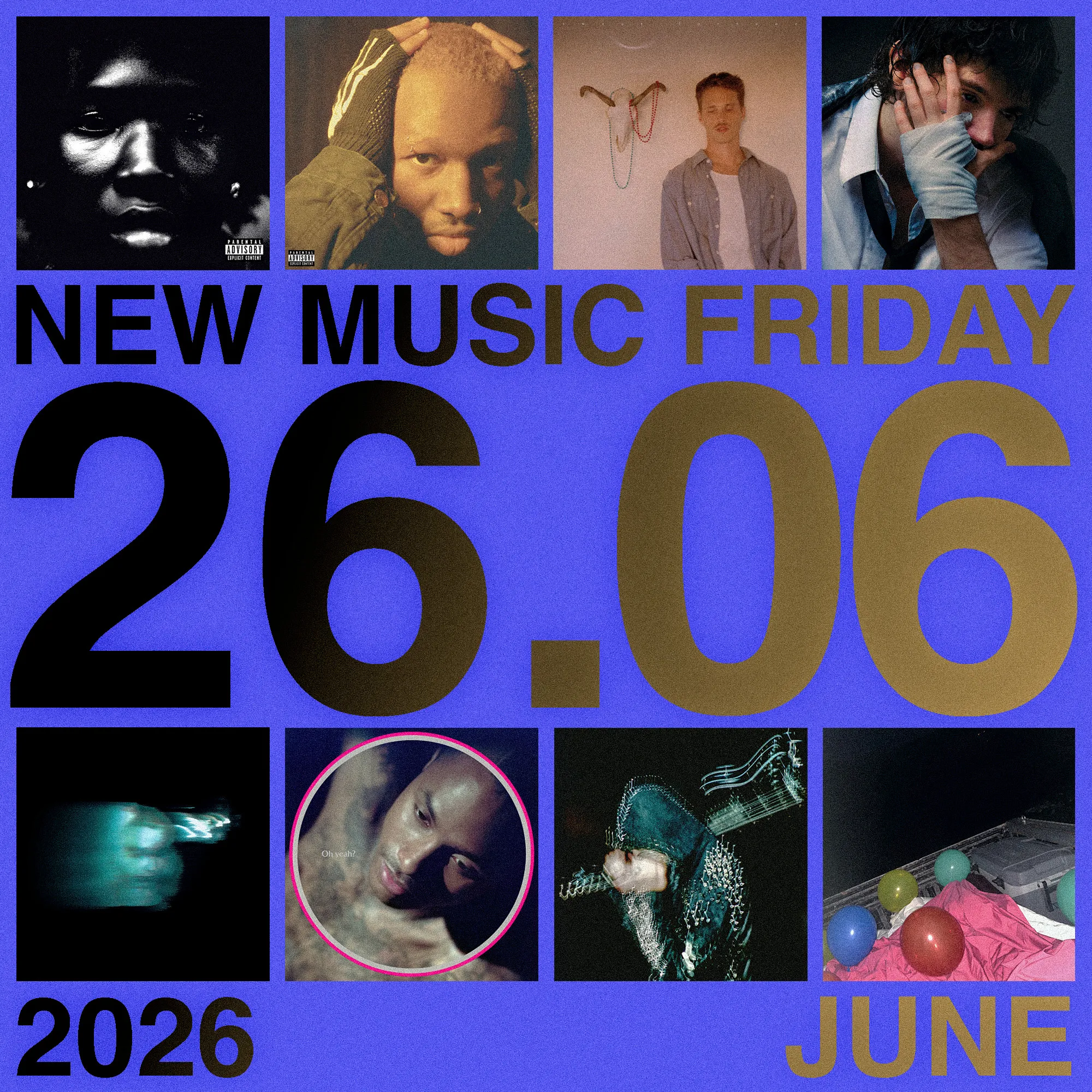
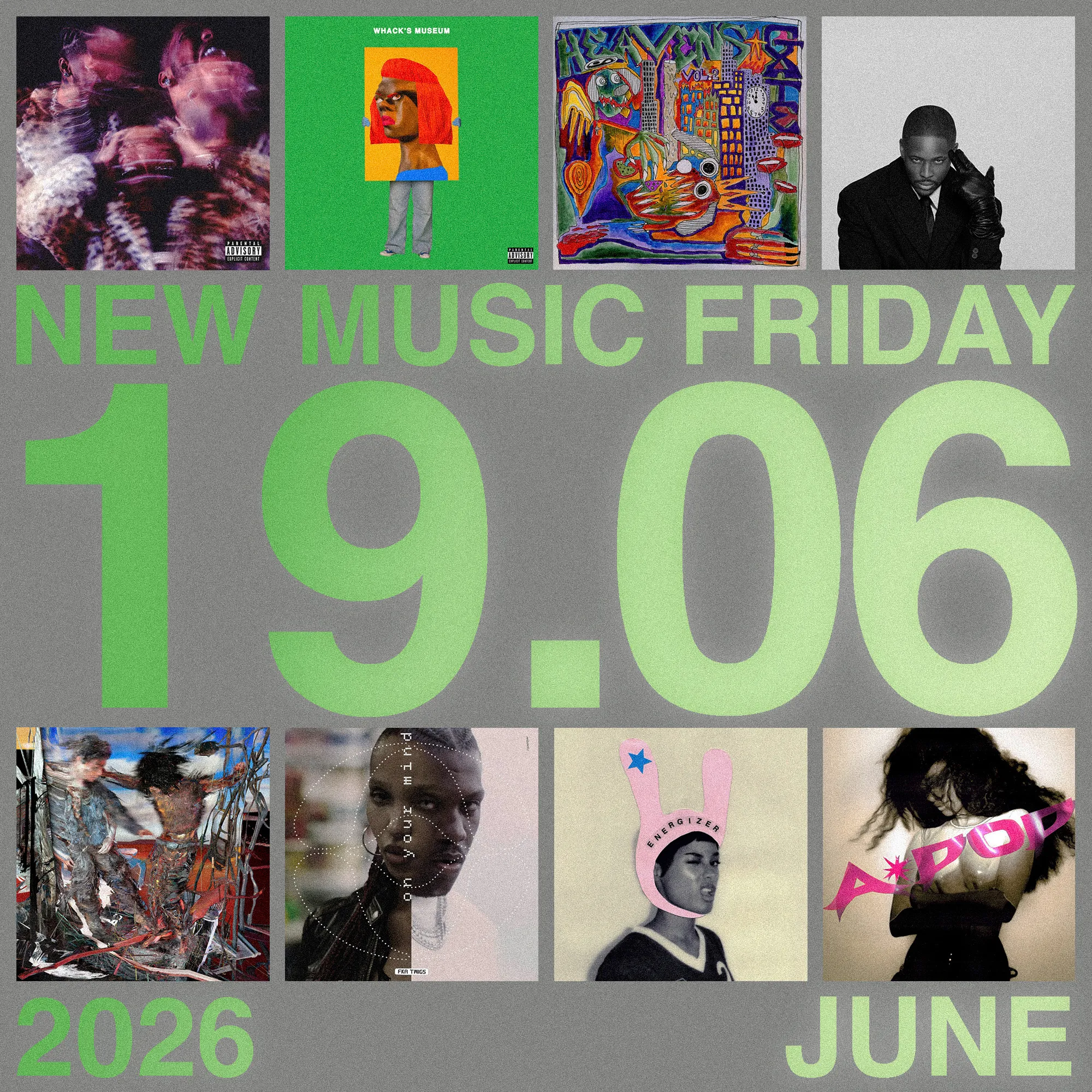
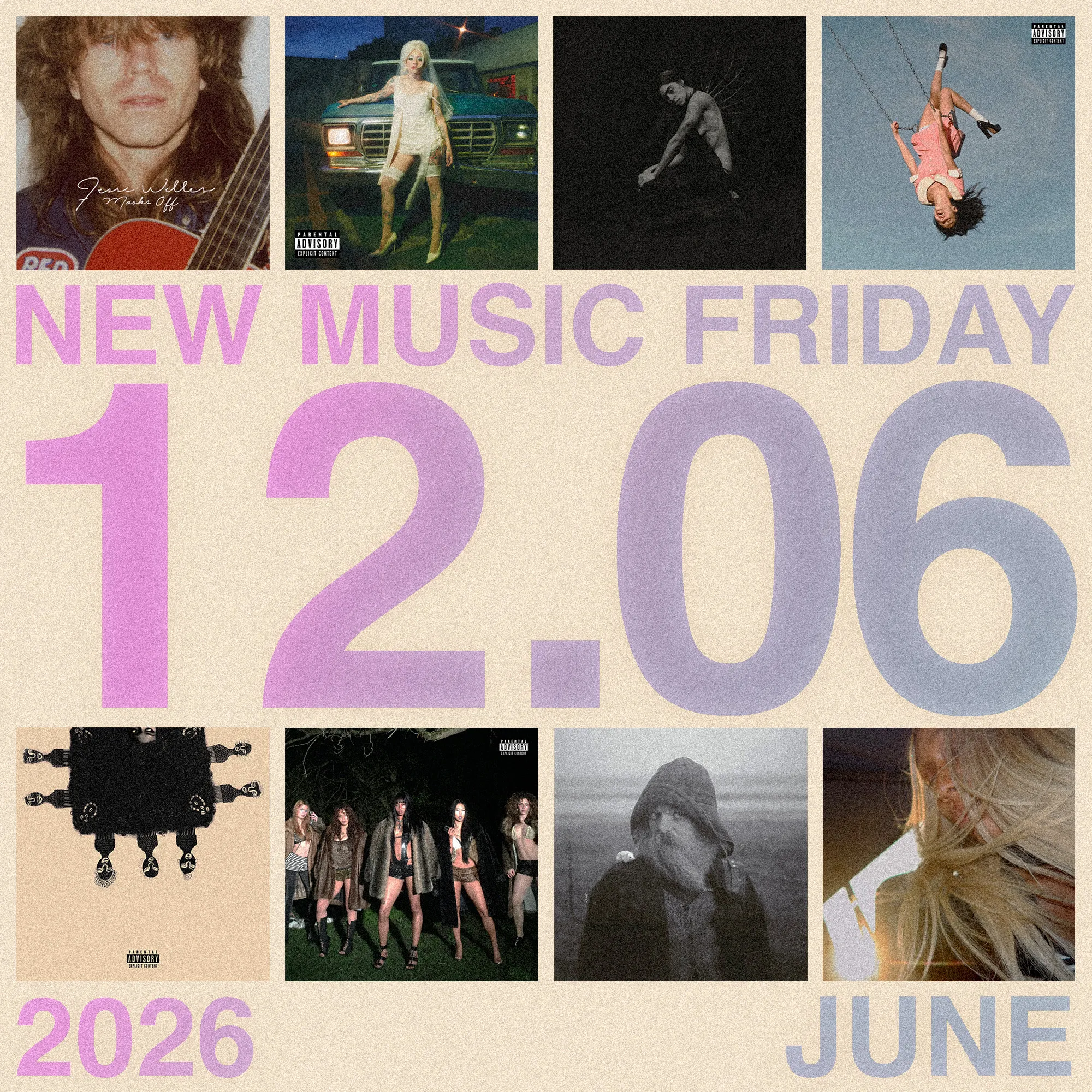
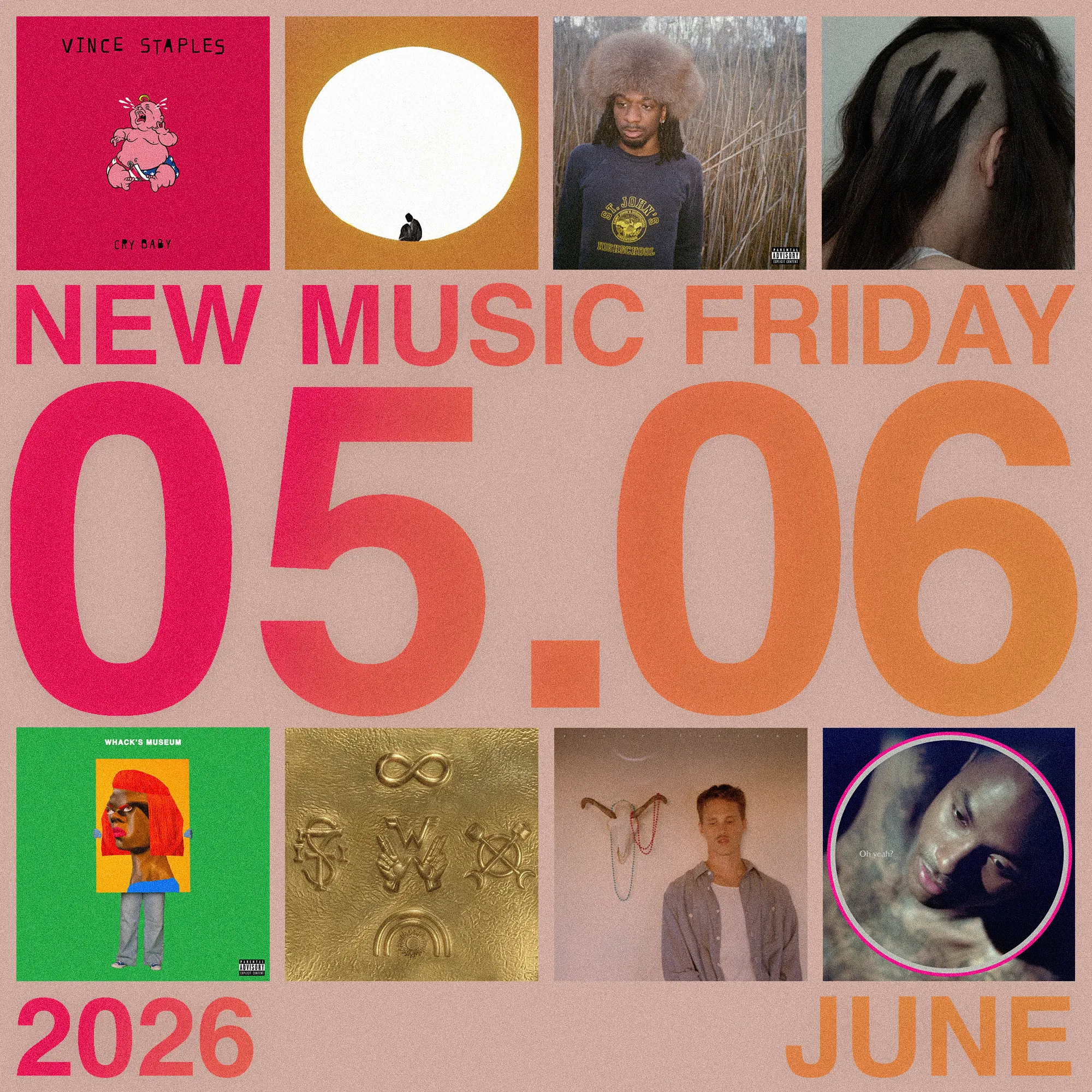
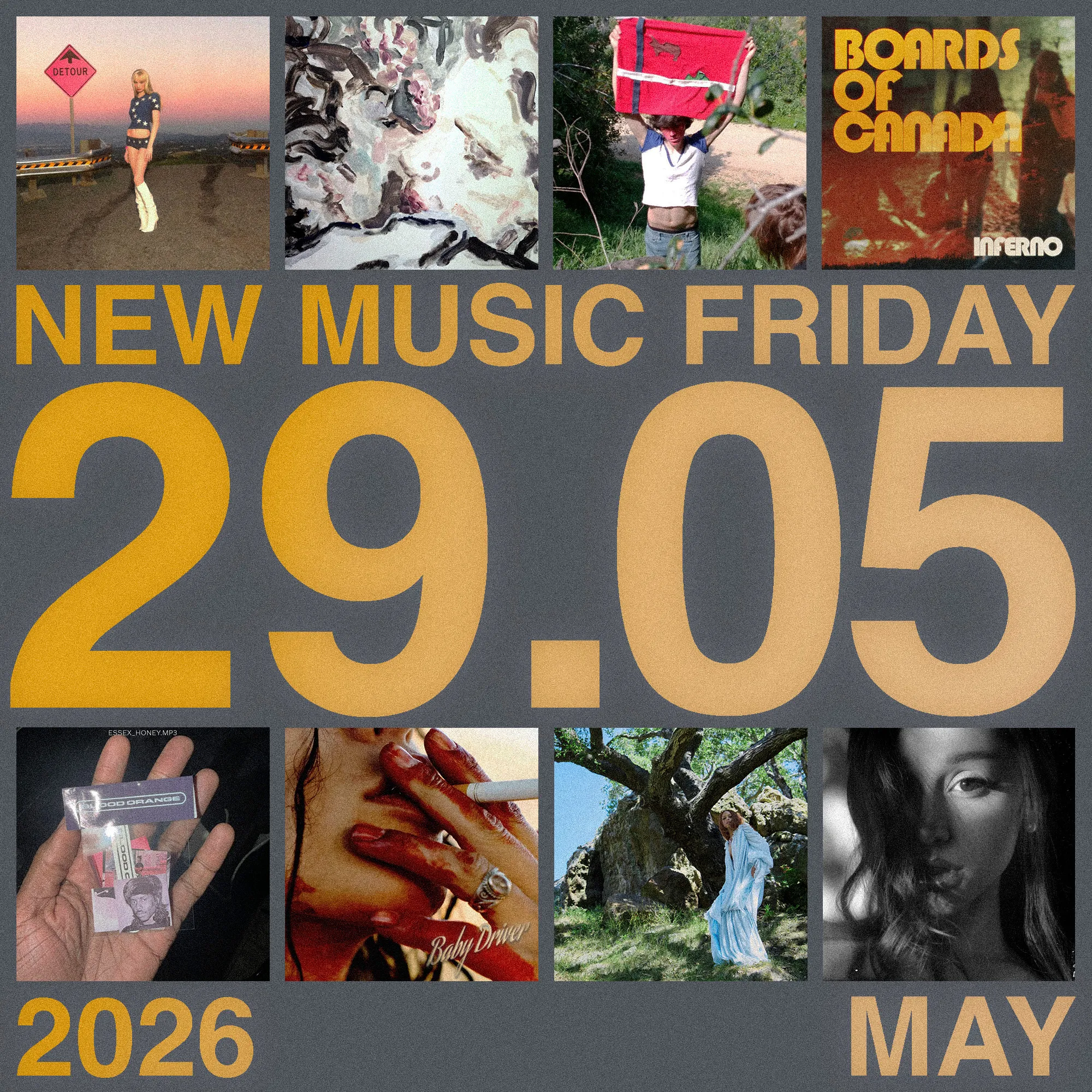
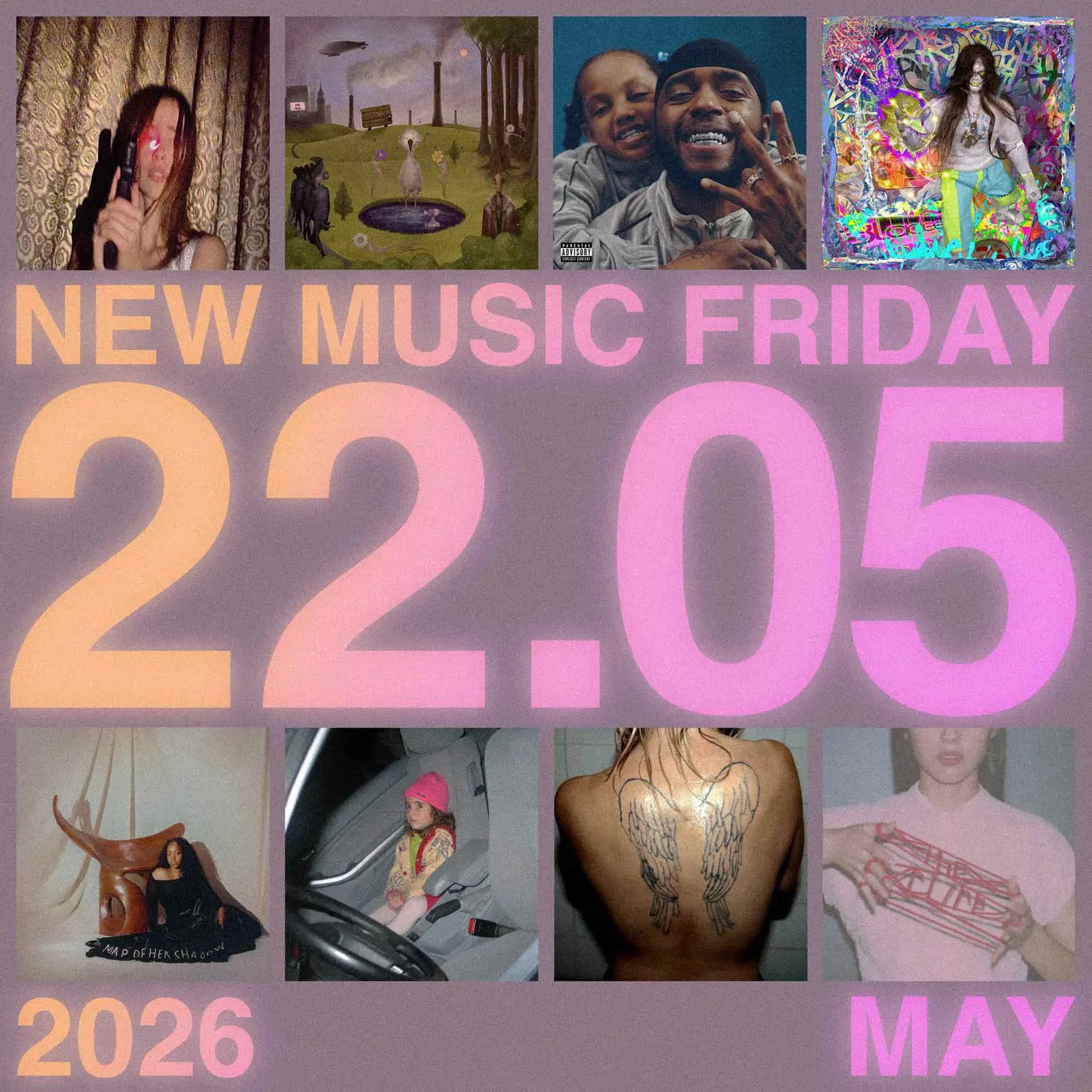
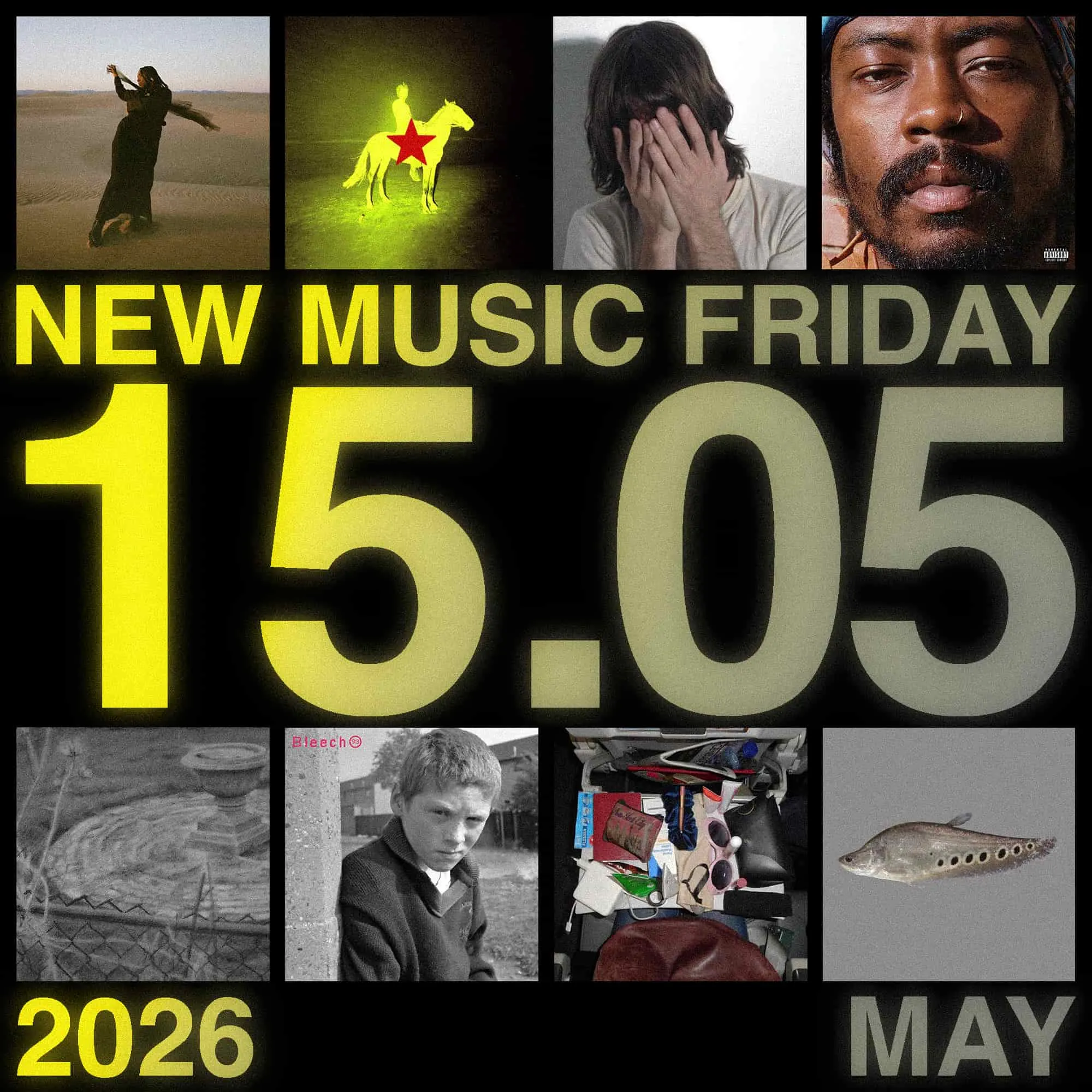
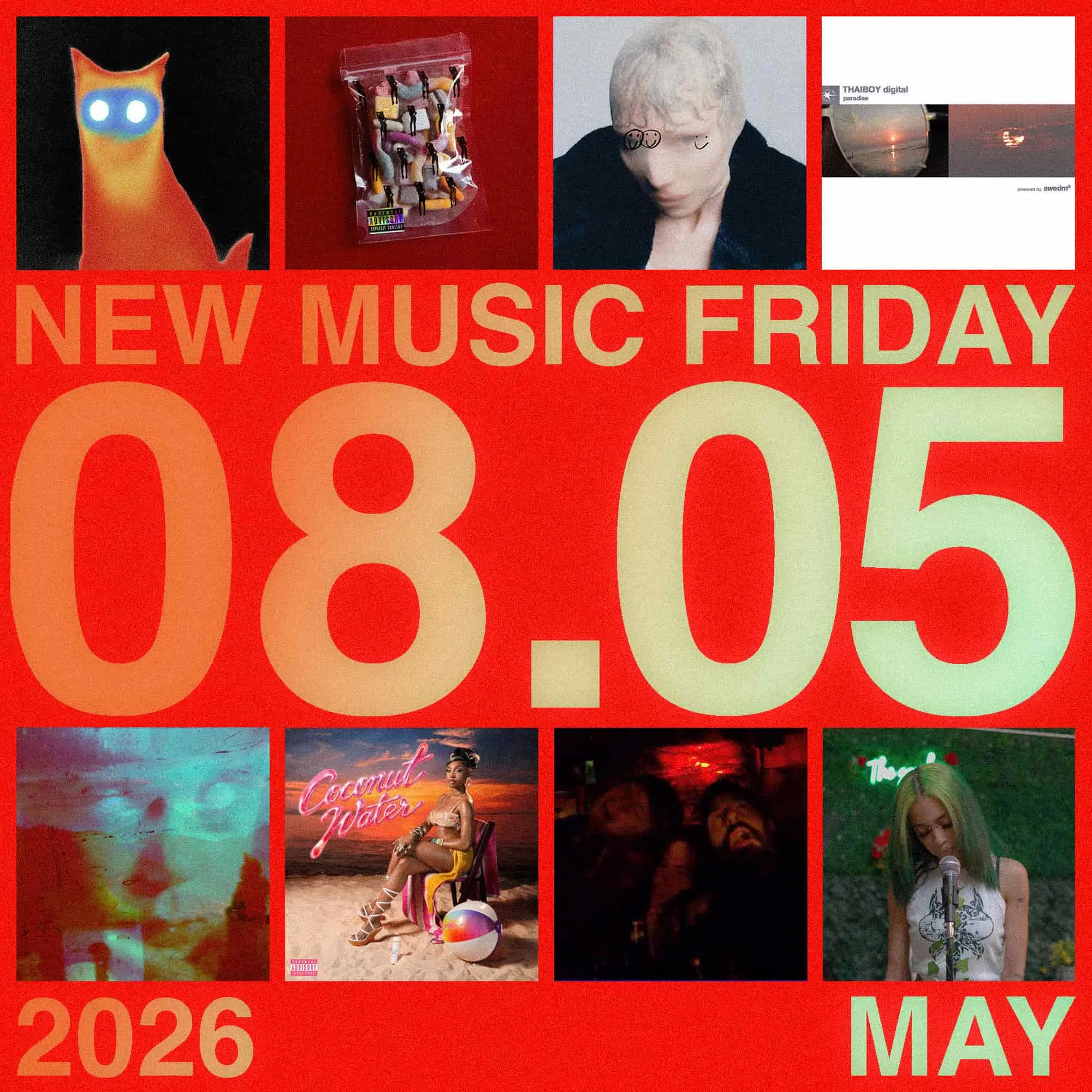

Pompeii / Utility
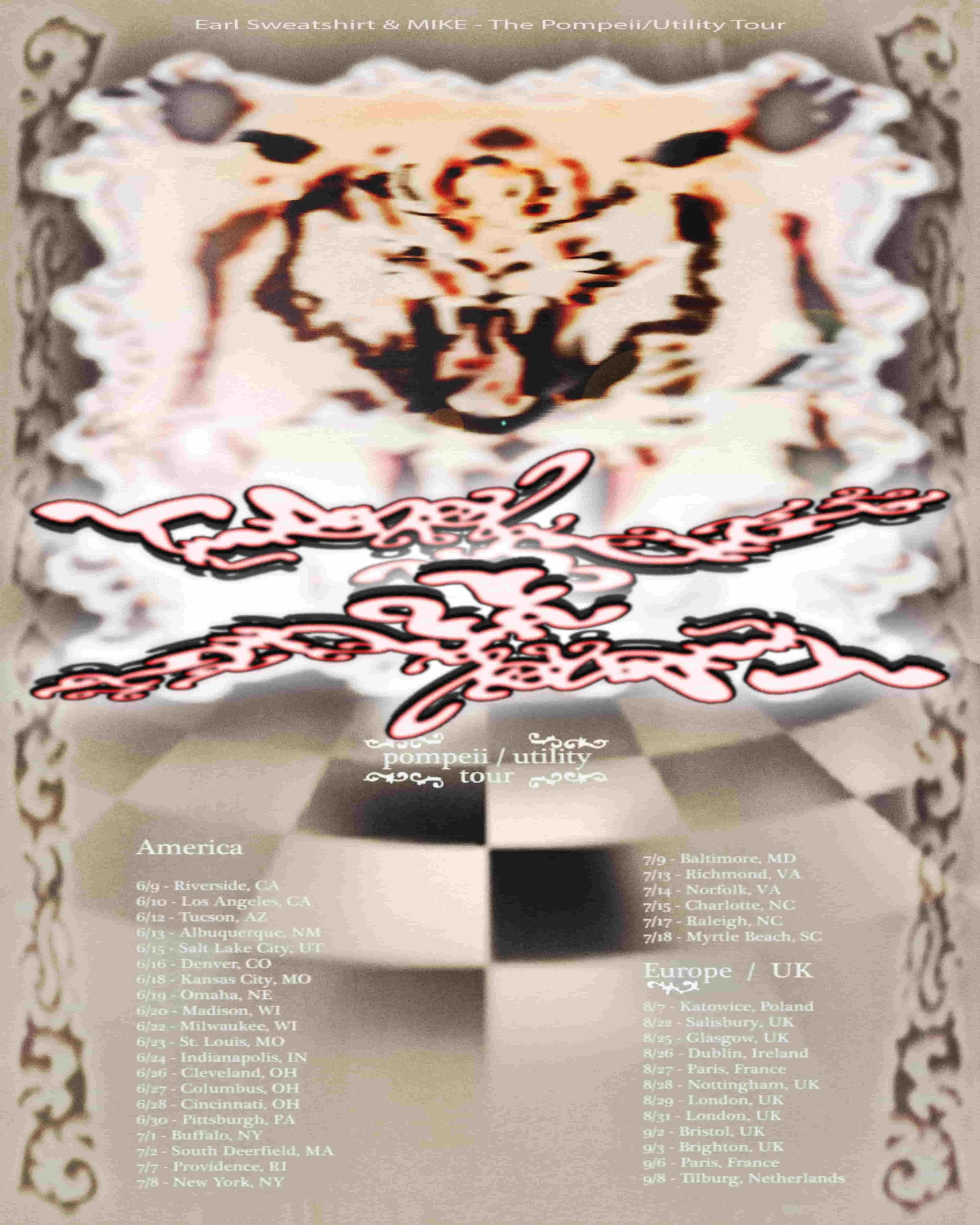
Earl Sweatshirt & MIKE tour poster conceptMy first work in a while. This ones for warming up. This ones to help me breathe through photoshop again, find some kind of labor of love.
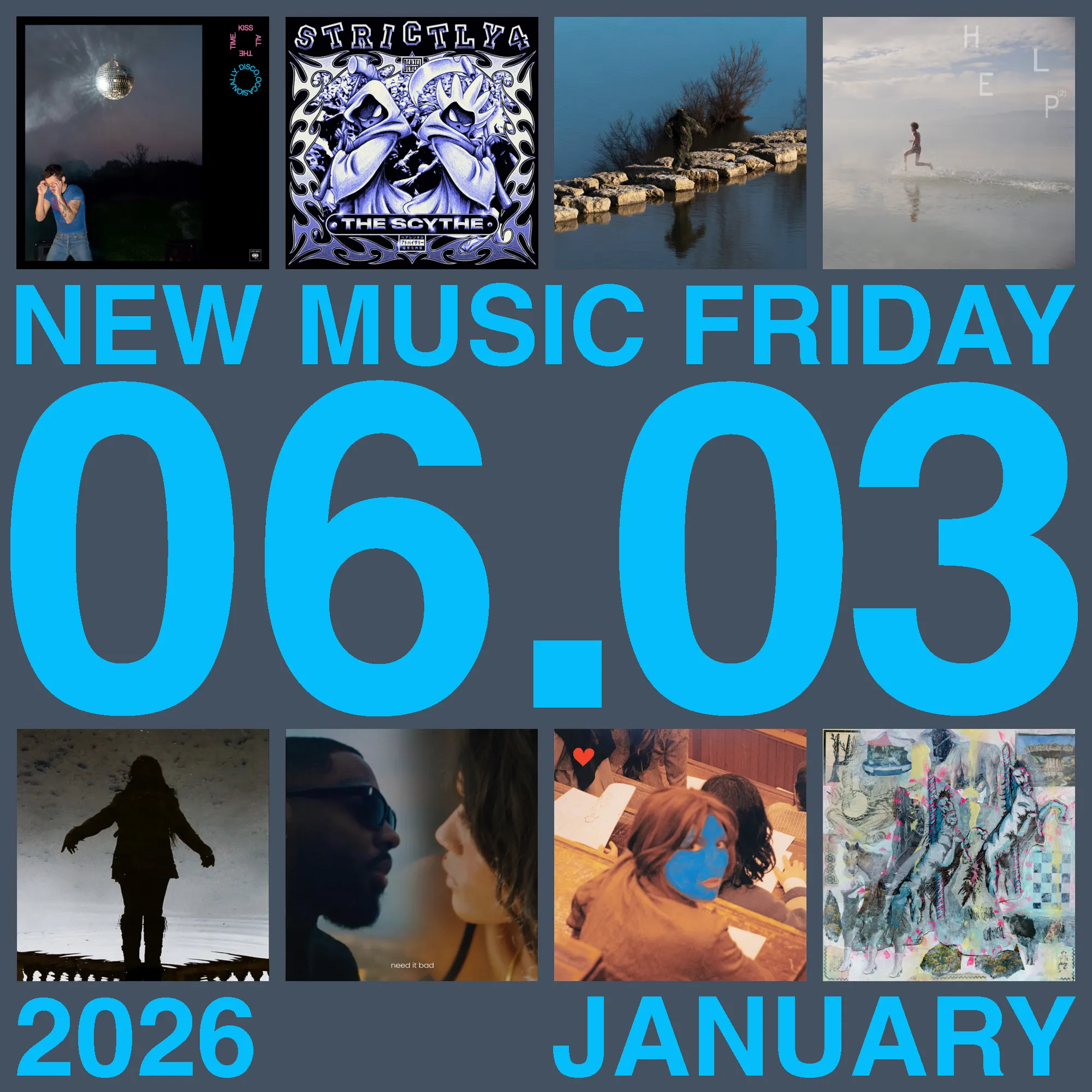
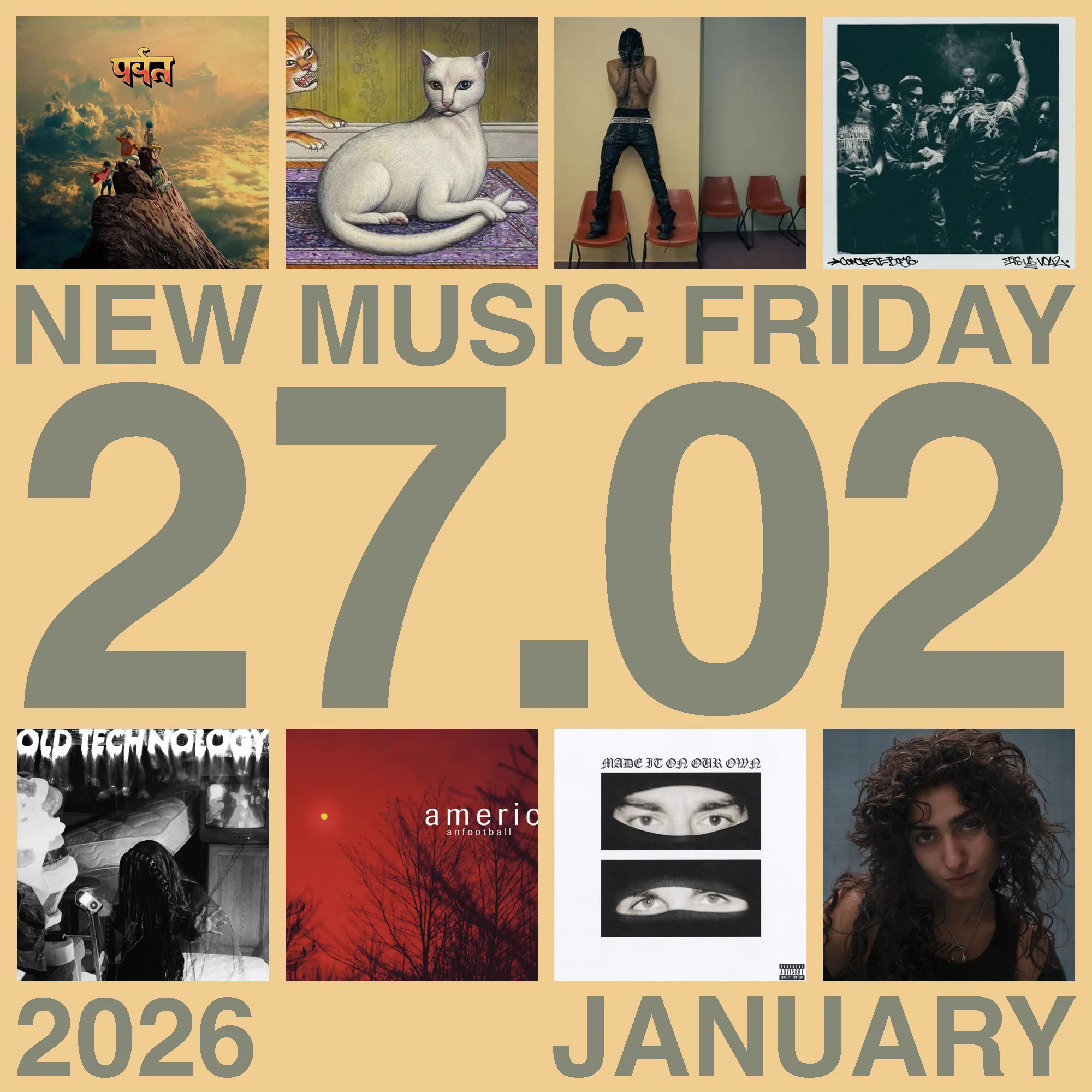
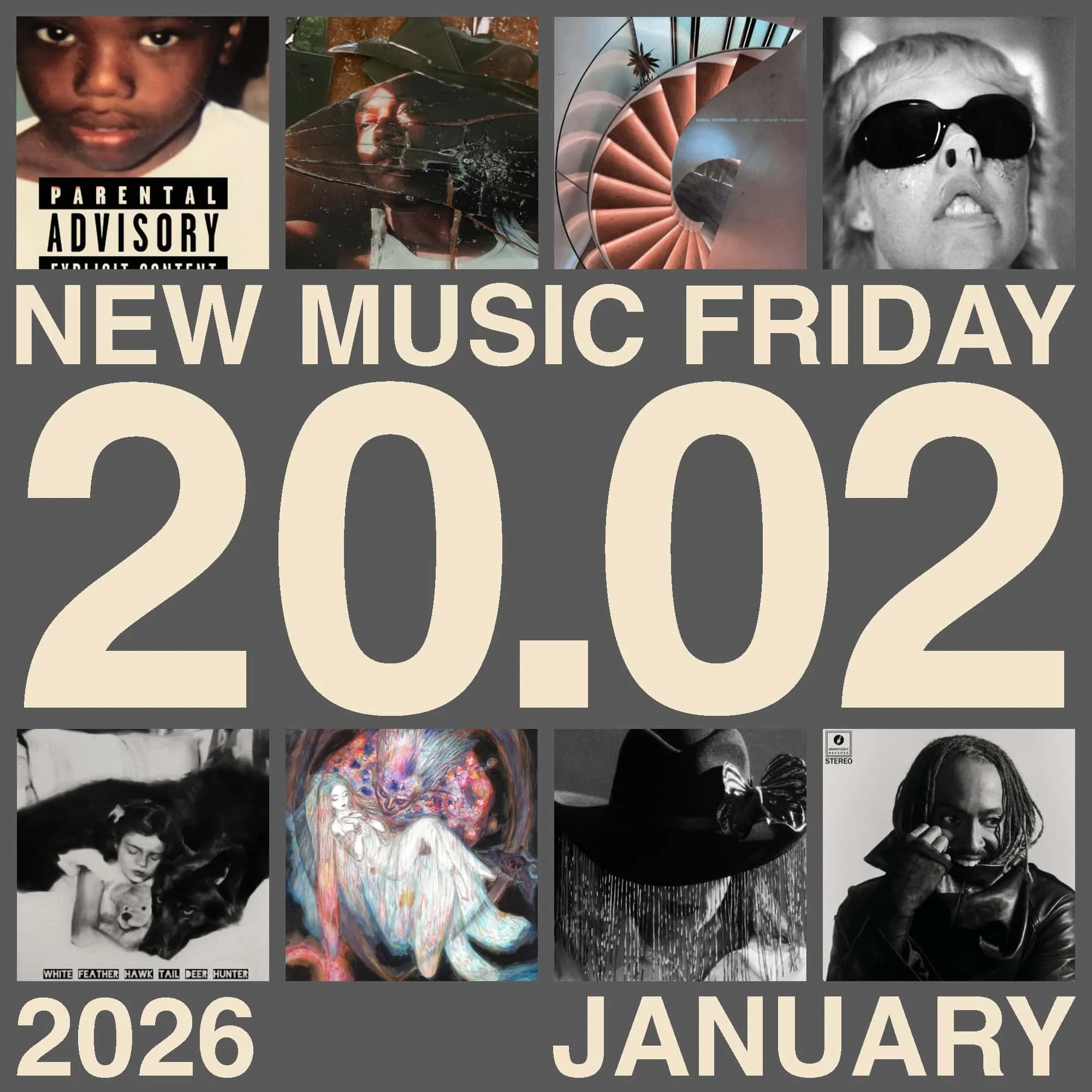
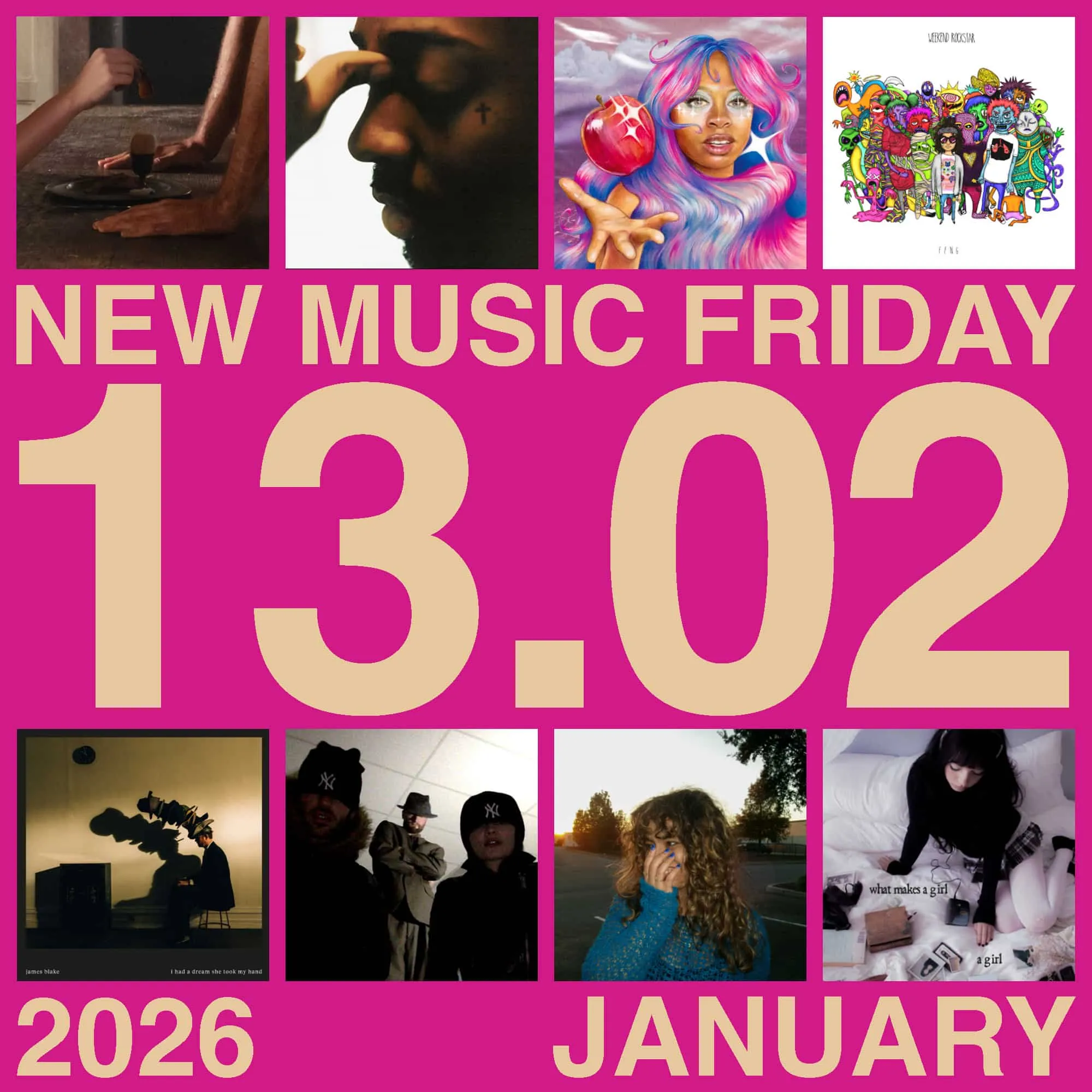
Album Review
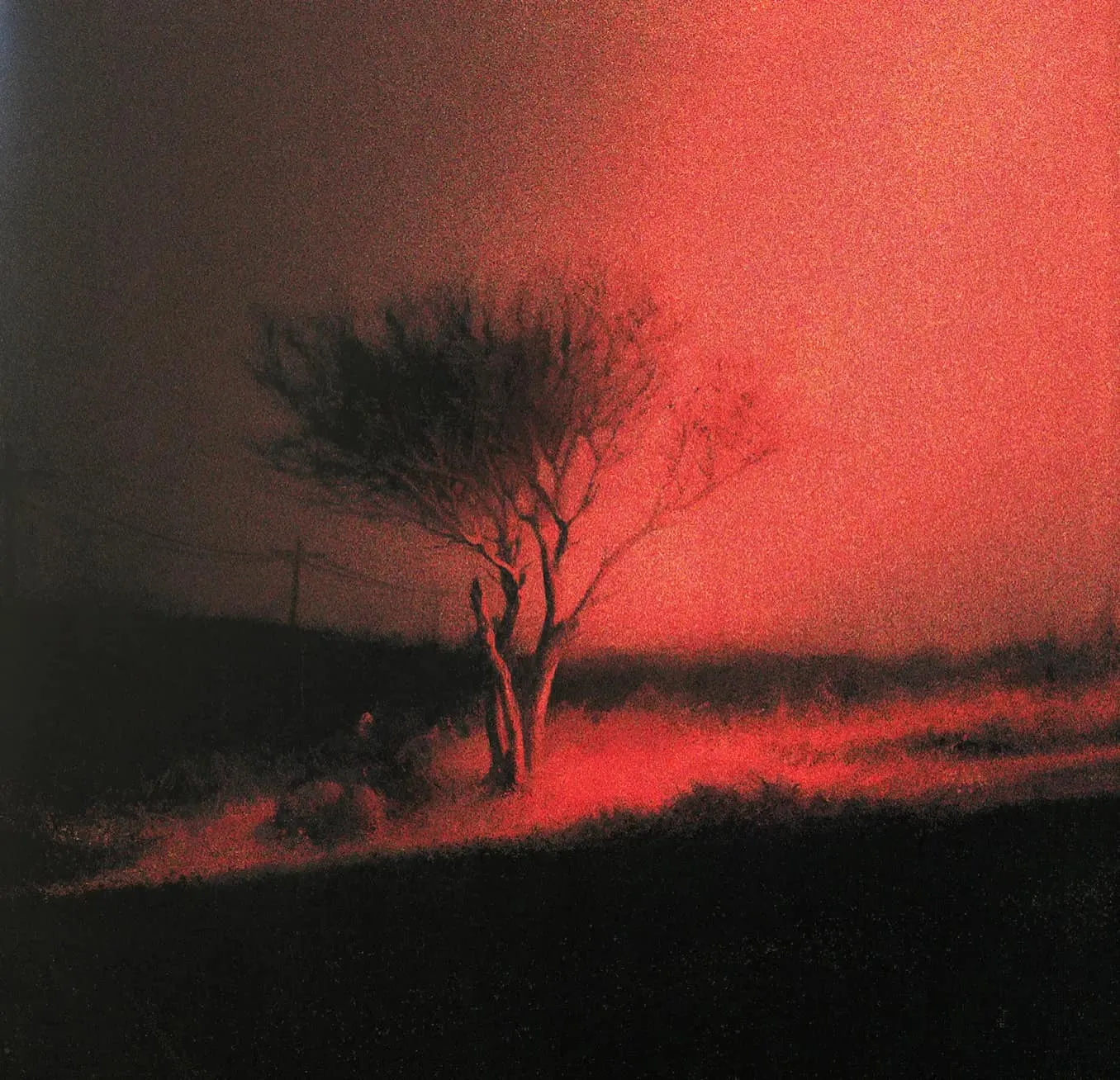
Joji - "Piss In The Wind"
My first listen of NMF 06.02 was Joji’s “Piss In The Wind”. It’s been nearly four years since Joji’s last project, and the chart success of Glimpse of Us. Unfortunately, that empty time had me imagining that he could be a compelling songwriter. But I forgot that Glimpse of Us was written by Riley McDonough, and even offered to another artist before Joji took the song. This newfound expectation really let me down, because this album is simply messy. The confusion began with Joji’s single release choices, as the rollout began with “Pixelated Kisses”, establishing an exciting new noise for the artist with pounding, distorted bass to contrast his soft and melancholic baritone. However, the subsequent and honestly unnecessary singles following this, only lowered the expectations further and further with each release. The album lacks direction. It doesn't know what it wants to be, and it's painfully obvious with track lengths that don't even try to commit to their ideas. I’ve seen this album already labelled as merely a collection of loose aesthetics and interludes, surrounding maybe 3 or 4 real tracks, and it does carry some truth. And when you combine this already prominent issue with the eyeroll inducing lyricism, Joji’s Piss In The Wind just doesn’t compel me like some of his older works. There are still highlights of course, but whenever an engrossing idea takes the stage, he is quick to close the curtains for dwarfed song-structures that just feel empty. Sorely disappointing from an artist I have been looking deeply forward to for these last few years. I just hope he has the courage to actually explore some of these ideas, and put together something with more cohesion and confidence in the actual size of ideas.
★ ★ ½
EP Review
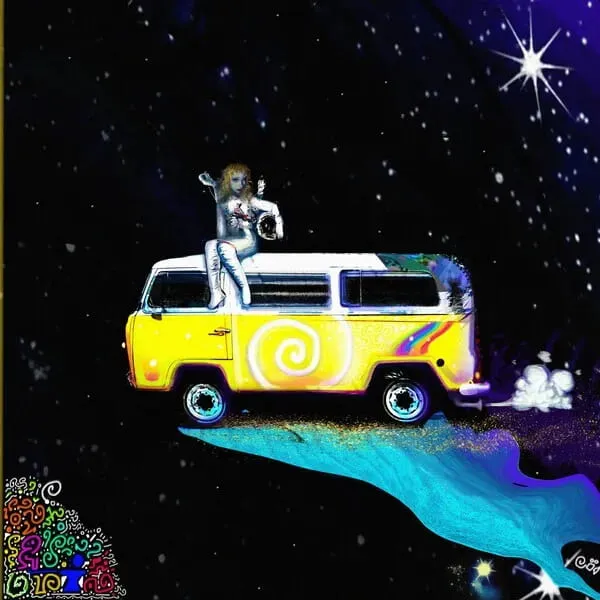
loopcinema - "My-Lovely-Yellow-Kombi"
This is probably the longest "EP" I will listen to this year. My-Lovely-Yellow-Kombi is a thorough exploration into glitchy modern psychedelia leaning on a rock foundation. The tracks all span a relatively lengthy runtime, with many tracks relying on an incredibly diverse sound palette and numerous transitions and switchups to create often intense, winding, synth-filled ballads. Sabrina Garcia’s vocals admittedly often fall secondary within the mixes of wild production, and have a similar tone to the kinds of voices that build up the whiny, lo-fi identity of modern slacker or emorock bands that seem to be an aquired taste for some. At its weakest, where tracks like “Rice:Beans” fall short, the project spins out of control, finding itself lost or distracted by a few too many sonic detours, that leave the track feeling like it has a lack of identity or binding idea. However at its best, Sabrina’s unique production choices and chaotic implementation of soundscapes and vocal mixes remind me of a more experimental (and obviously flawed) Magdalena Bay, with arguably more willingness to go places more imperfect and raw, both vocally and through song structure, while still maintaining groovy basslines and danceable beats. The songs perhaps possess less incidentally characteristic identities, like strong choruses or track-length lasting sounds, but what Sabrina gives you are funky, glitch-pop cruises through soundscapes with new details to scavenge upon every listen. The mess I find within the tracks give them more replayability and character than a sticky chorus may have ever lended. So with this new project, I’m thoroughly excited to see where she takes her sound next.
★ ★ ★ ★Starting 2026.
A scarf requires at least some semblance of a way to test the look and aesthetic of wrapping and folding a design around a neck. And with some surface level research through the immediate results on an AI powered internet, the results are disheartening. But maybe I am used to free templates and mockups sustaining me at only an infant stage of a design journey that probably now deserves something more, especially with the burden of a degree lingering behind me. The standard has risen, and with it some methods have sunk beneath what I now consider myself capable of, or at least where I define the line. That’s why I have decided to investigate methods of mocking up fabric designs in a way that allows me to efficiently test a design, without the use of AI. AI still leaves me puzzled as a methodology, and I cannot yet define the border that lies between tool and ideation. So for now I plan to stride forward in the hopes that my values and definitions will become more stringent as time goes on, especially if I plan to investigate contemporary non AI methods (scary 3D donuts and intensive material renderings most likely). Though my gut feeling is that I’ll probably fall somewhere in a position that could be compared to classical training in art. Learn the programs, and with the learning a deeper understanding of purpose and function could emerge, just like learning the basics of perspective or anatomy may not define what an artist would call abstraction when actually conveying an artistic purpose. I might be overcomplicating what is simply just a venture into new design programs, but for me, I see some potential value in defining my reasoning somewhat along the way. I would like to be the old man who can do it the old way for the sake of doing it the old way, and I think others can see the value in that.
Journey to somewhere far away from vibe coding.Expect a pink donut sometime soon.
NEW MUSIC FRIDAYS ARCHIVE 2026
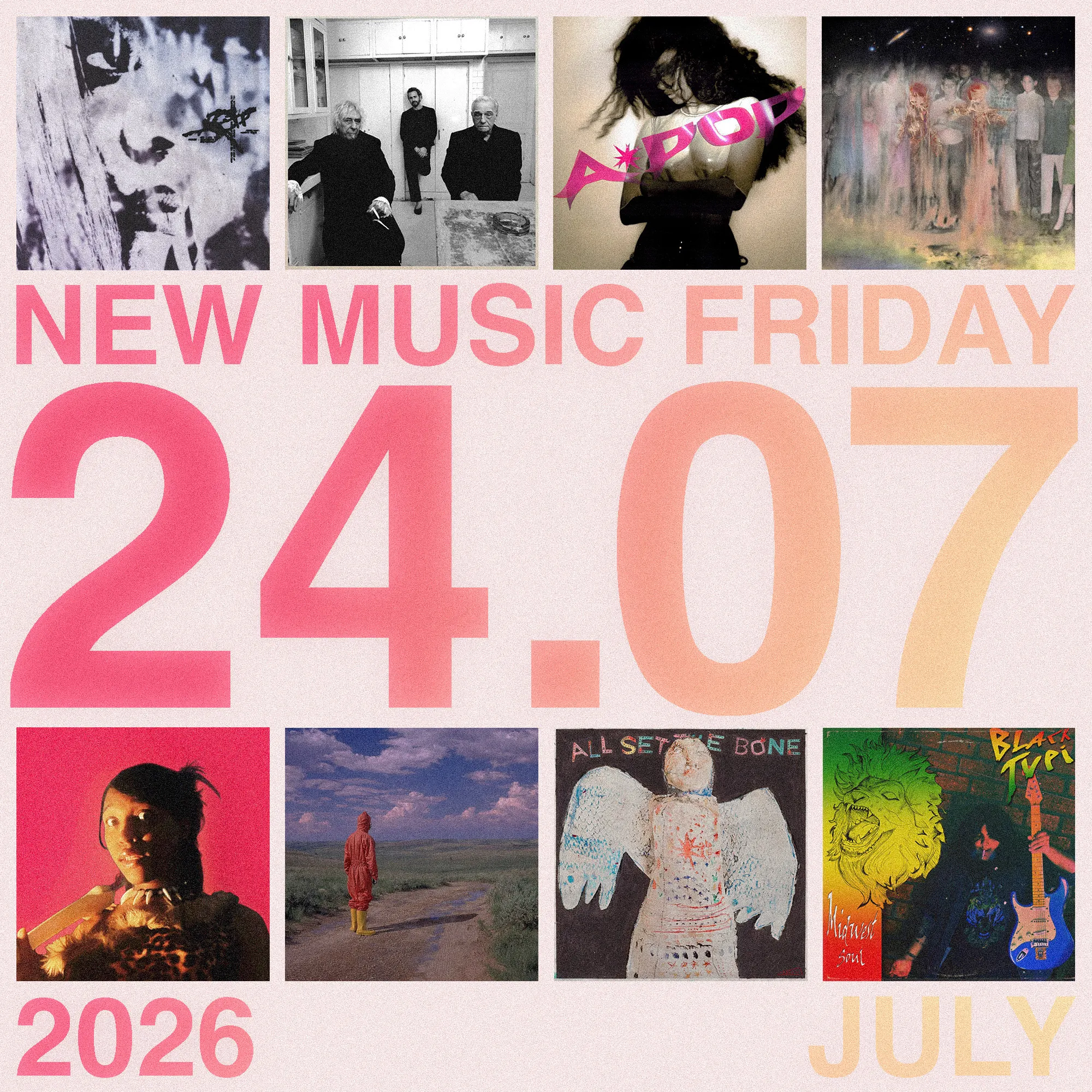
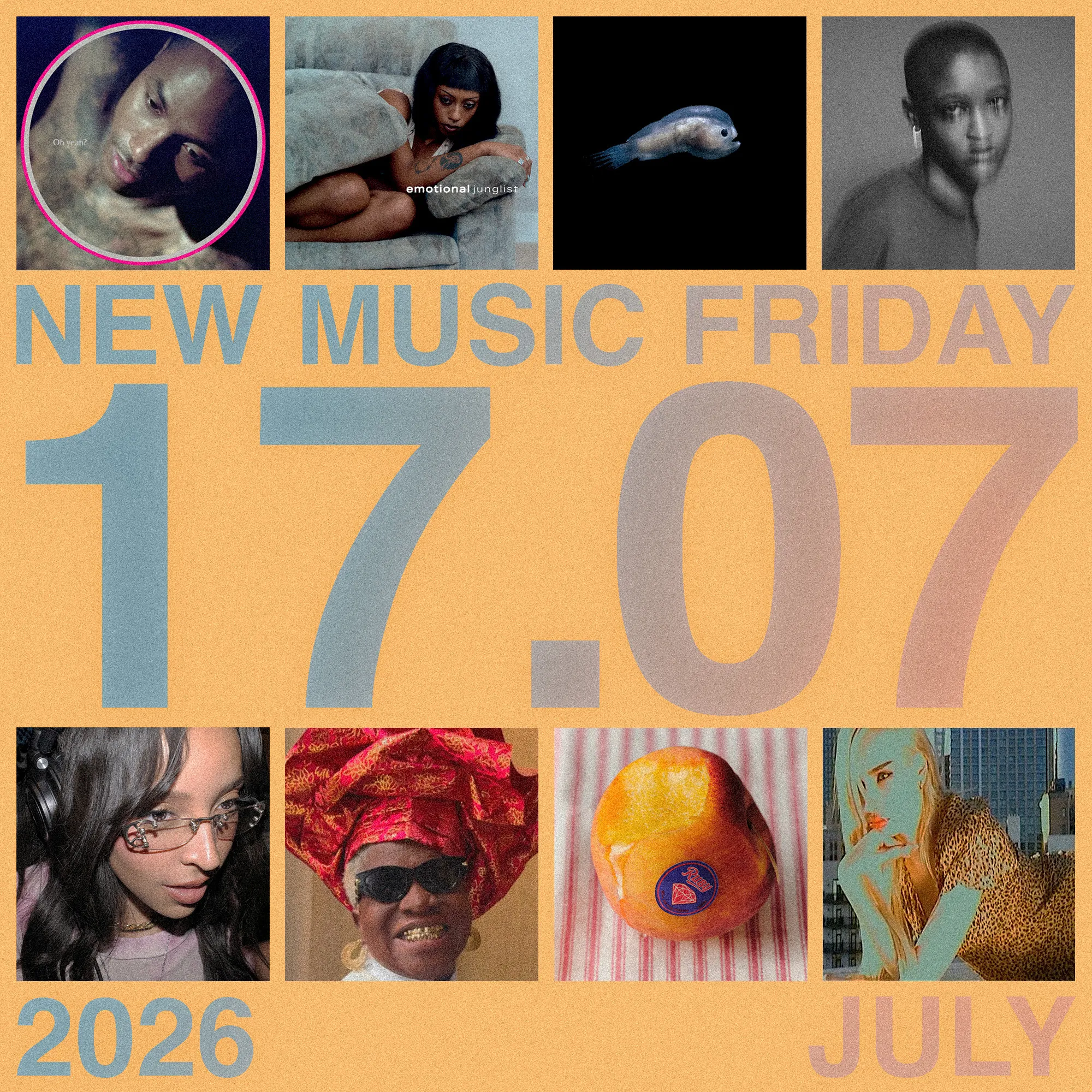
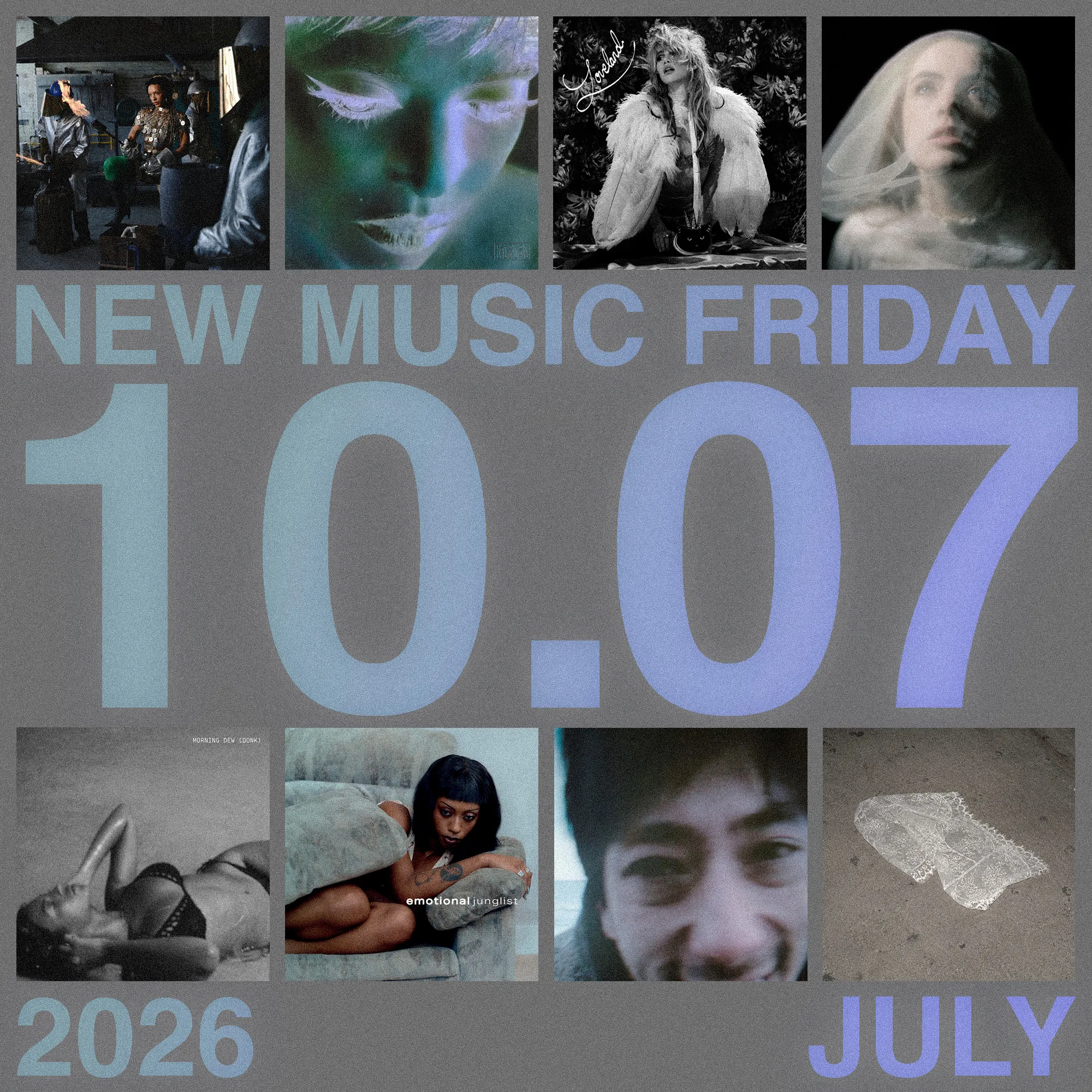
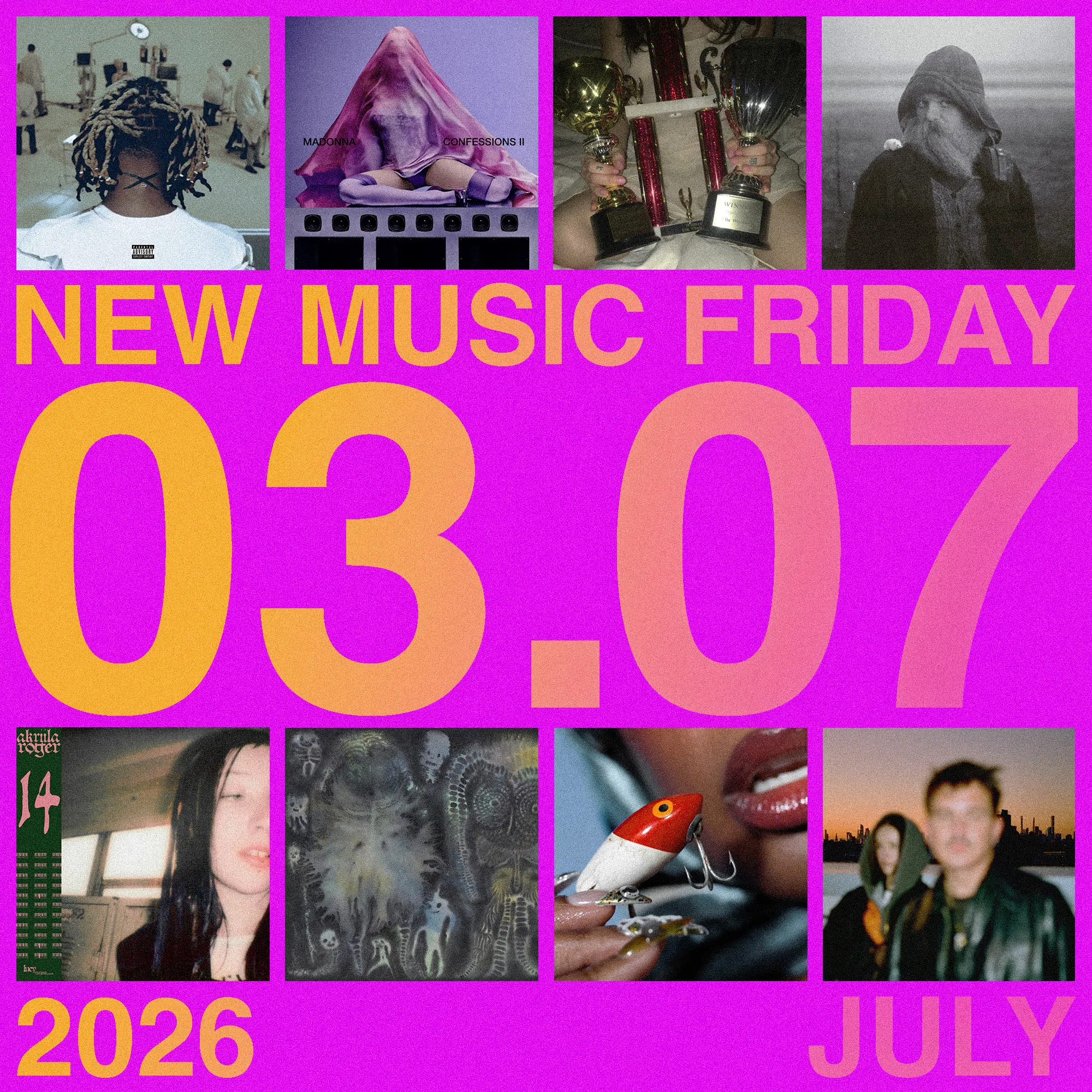
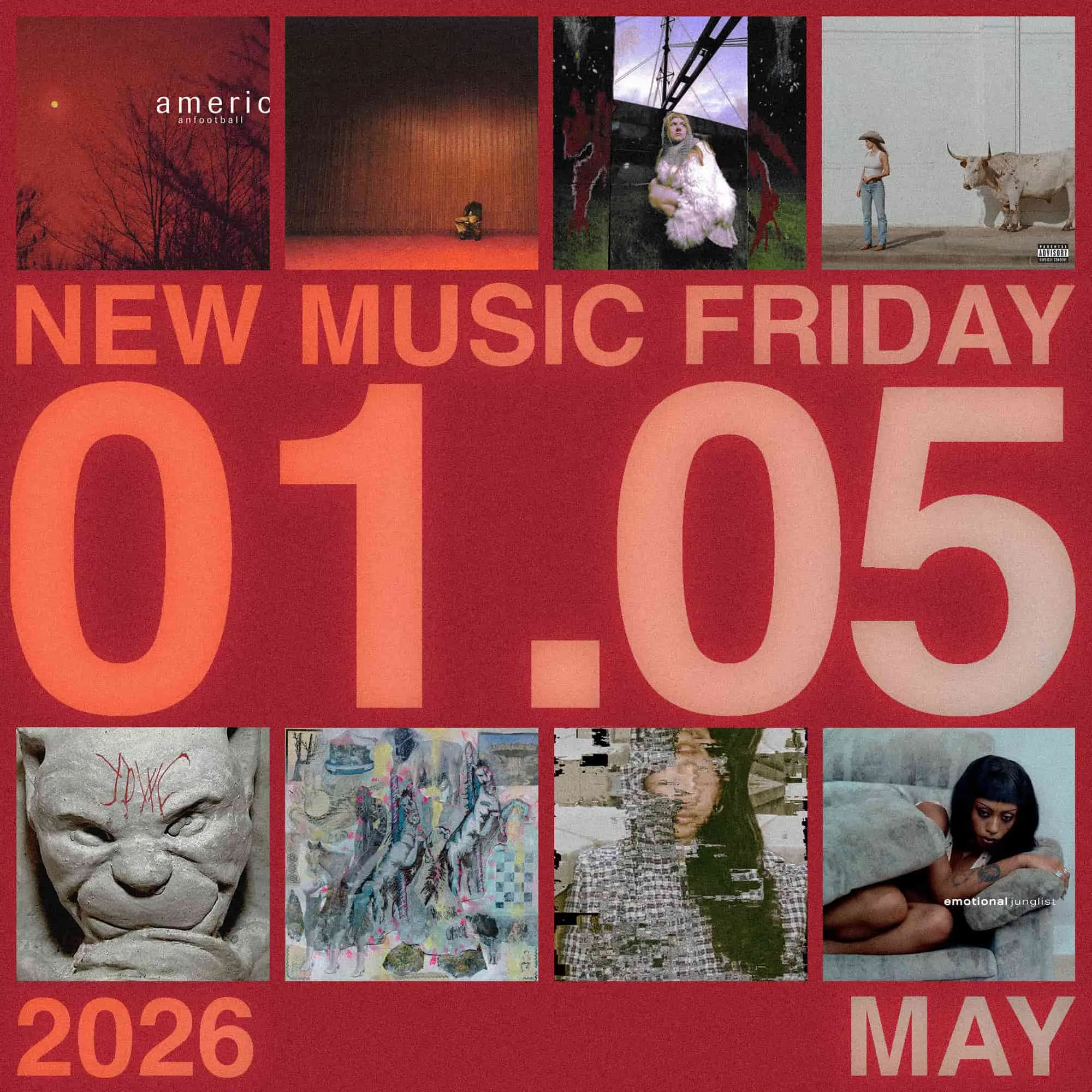
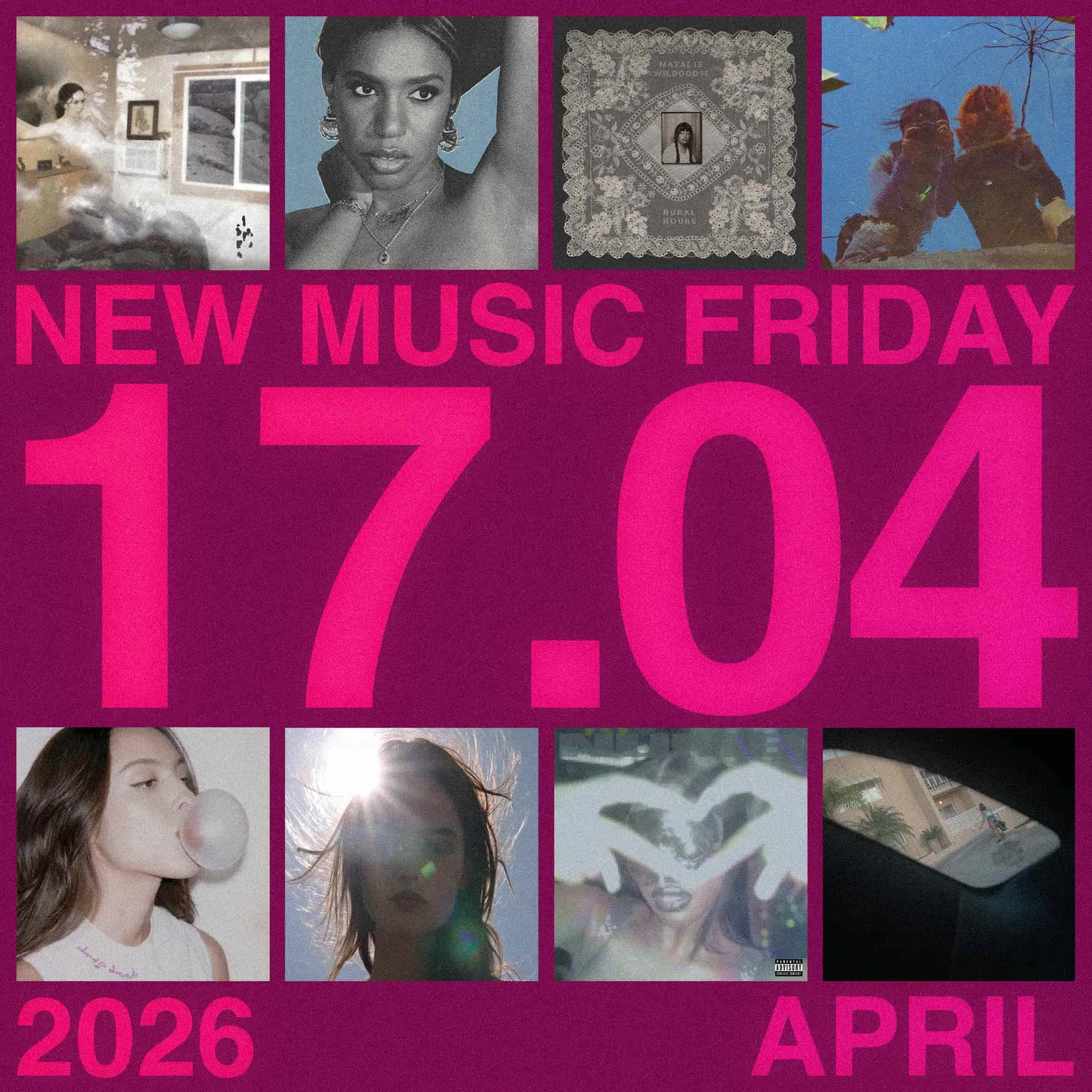
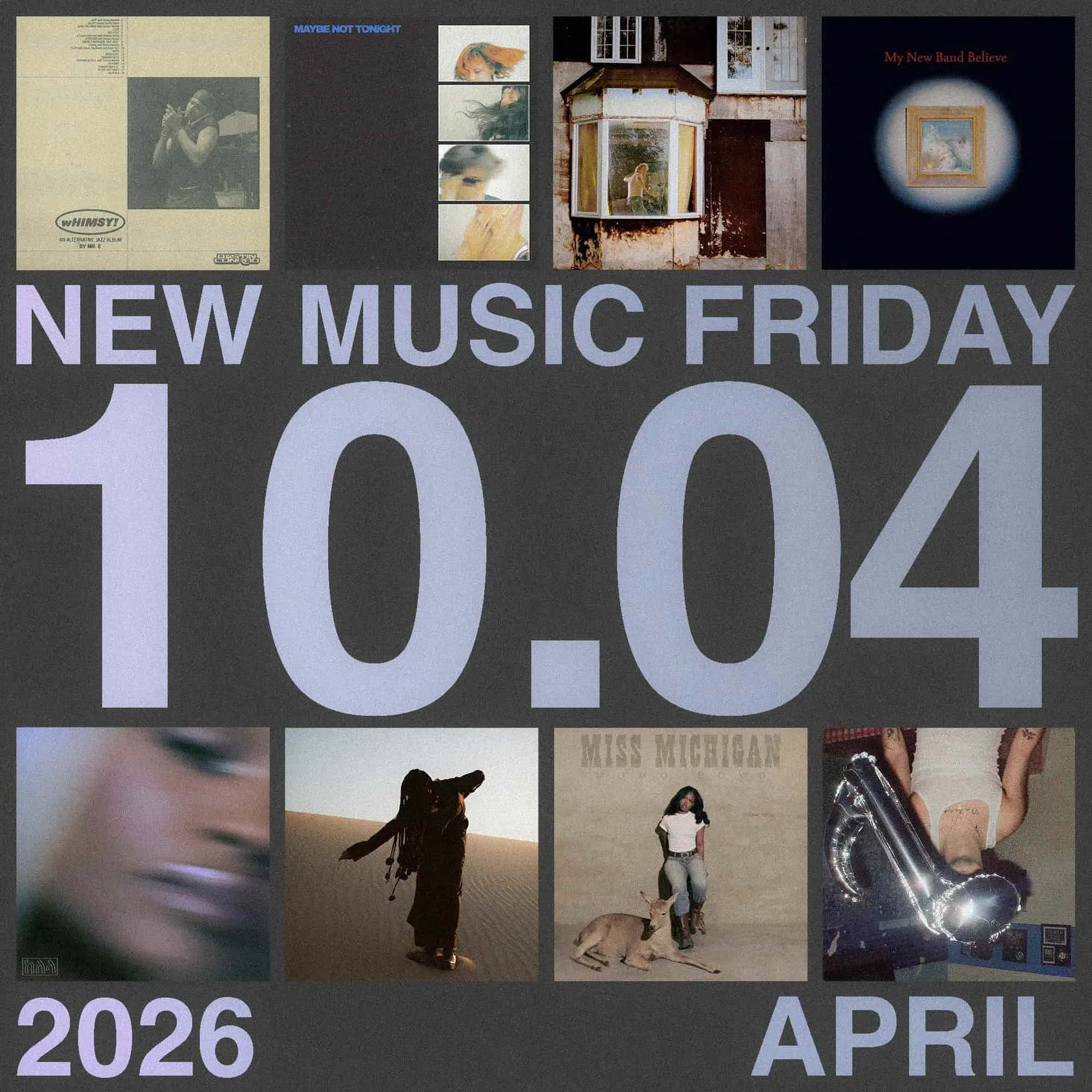
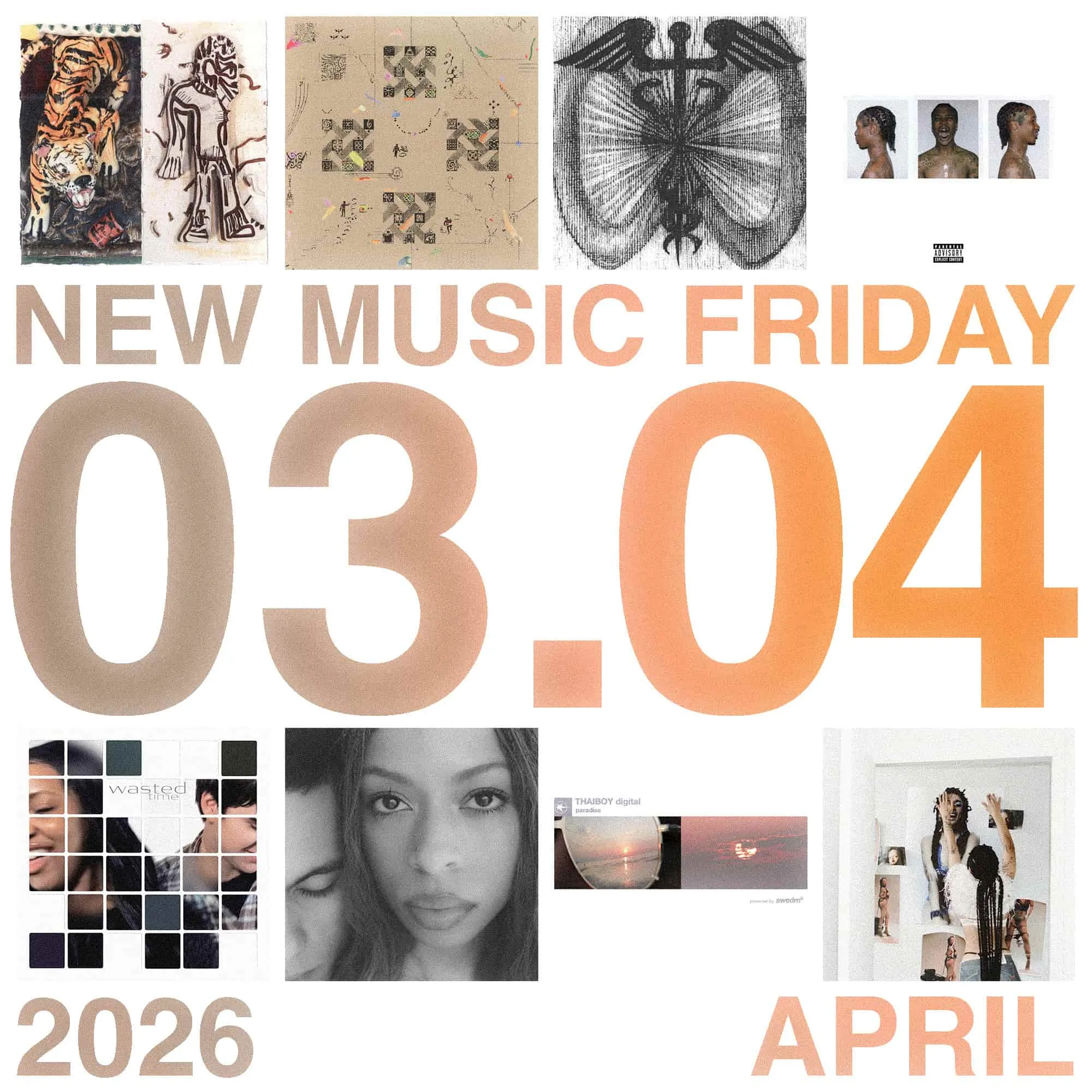
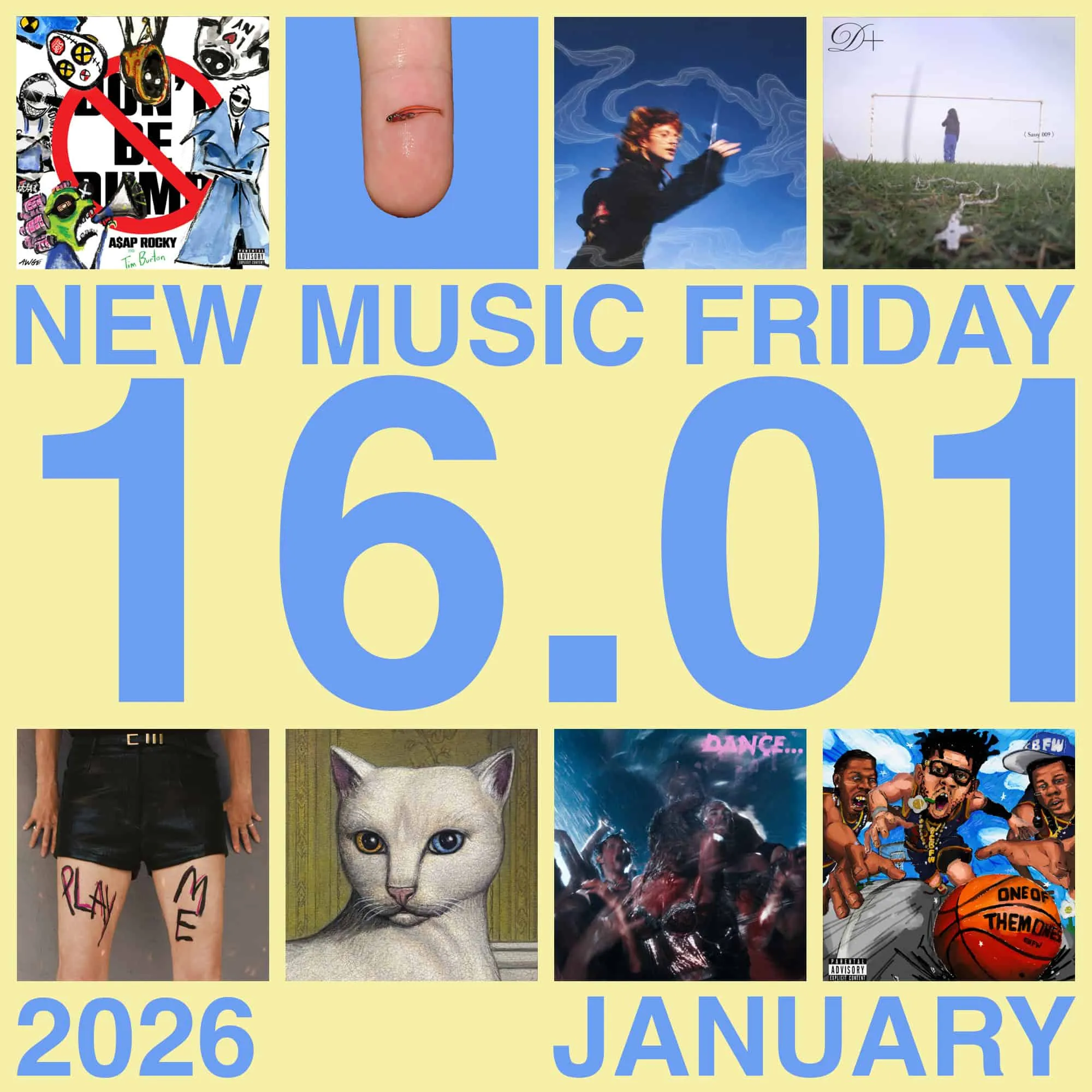
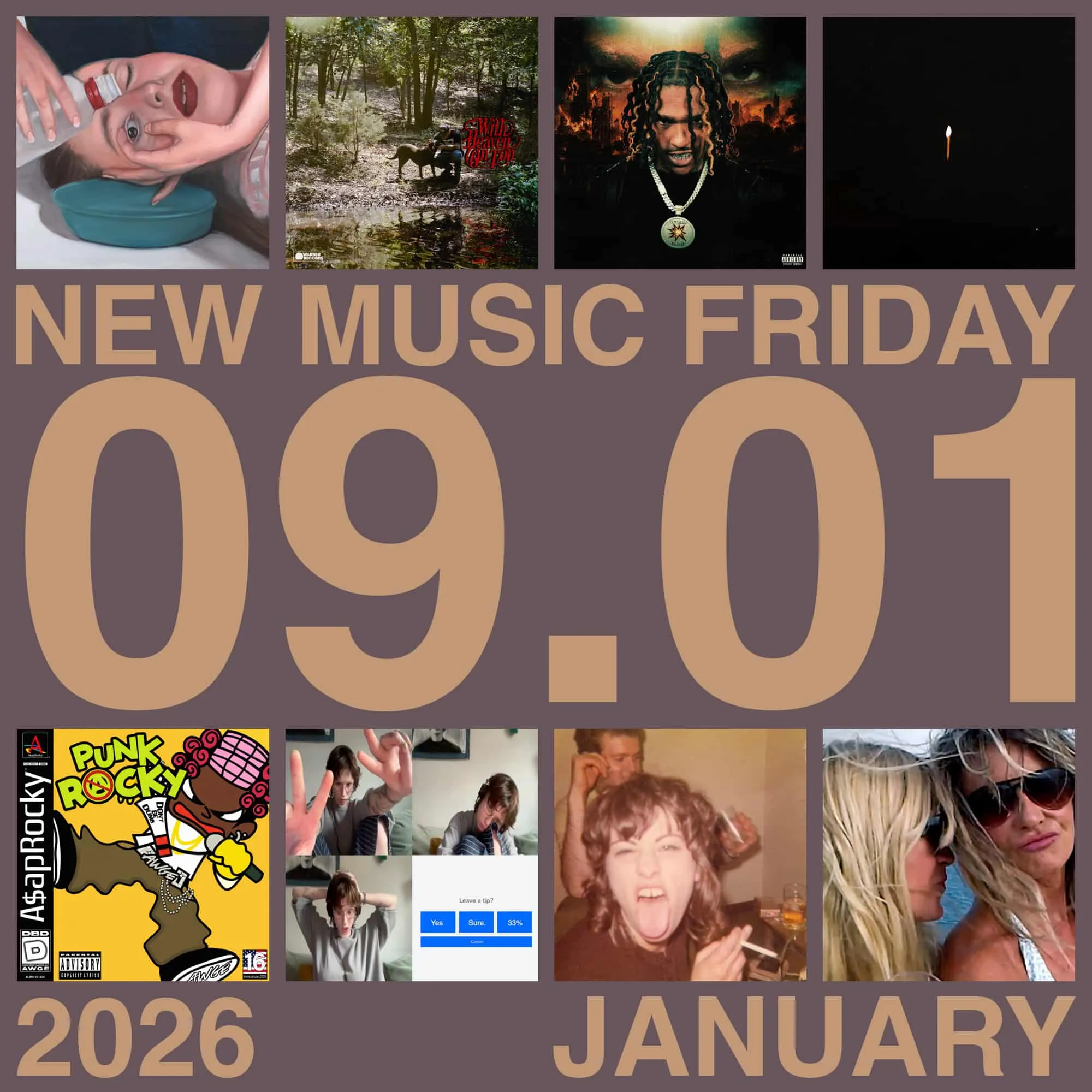
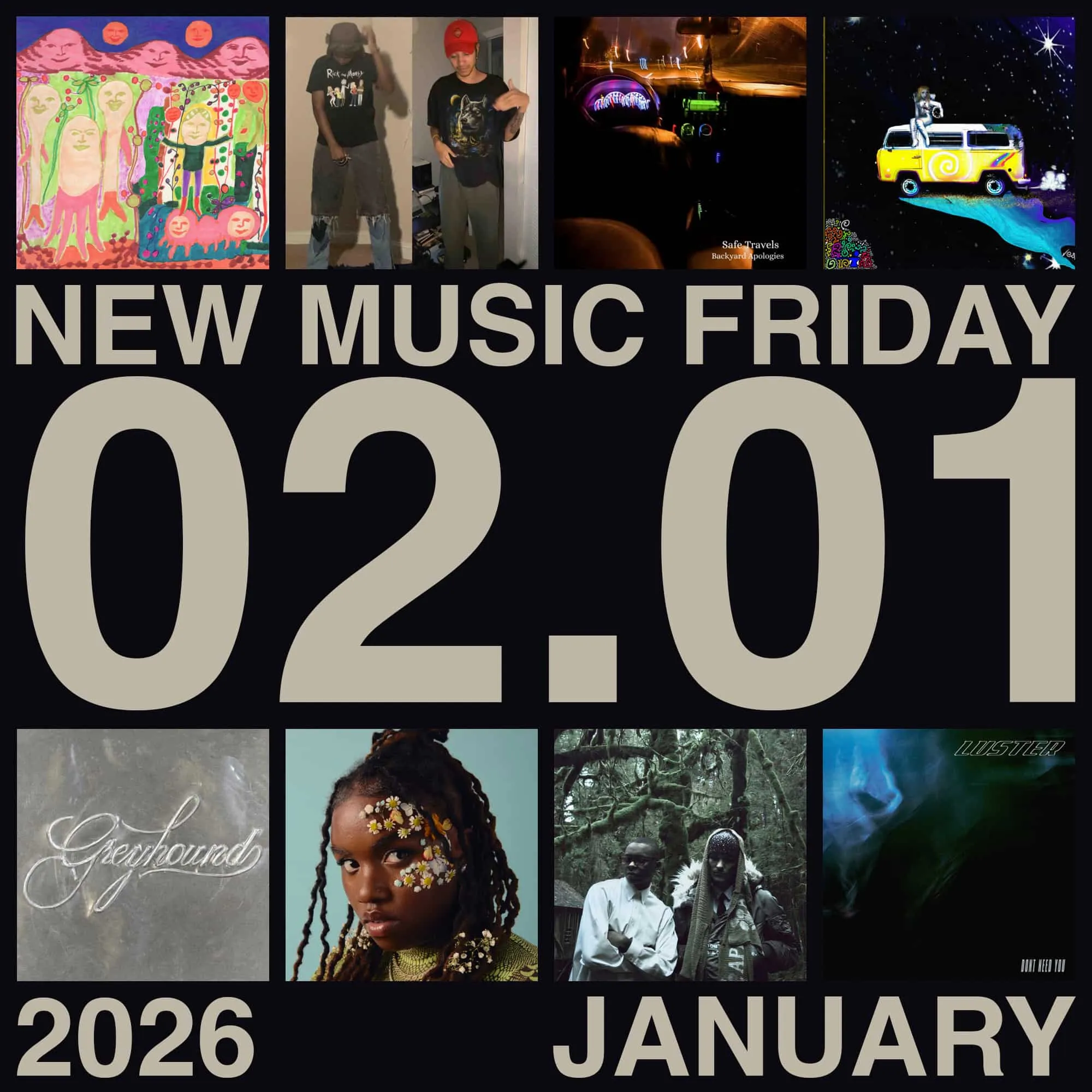
All future New Music Fridays of 2026 will be found here.JAN NMF 02.01.26 NMF 09.01.26 NMF 16.01.26 NMF 23.01.26 NMF 30.01.26
FEB NMF 06.02.26 NMF 13.02.26 NMF 20.02.26 NMF 27.02.26
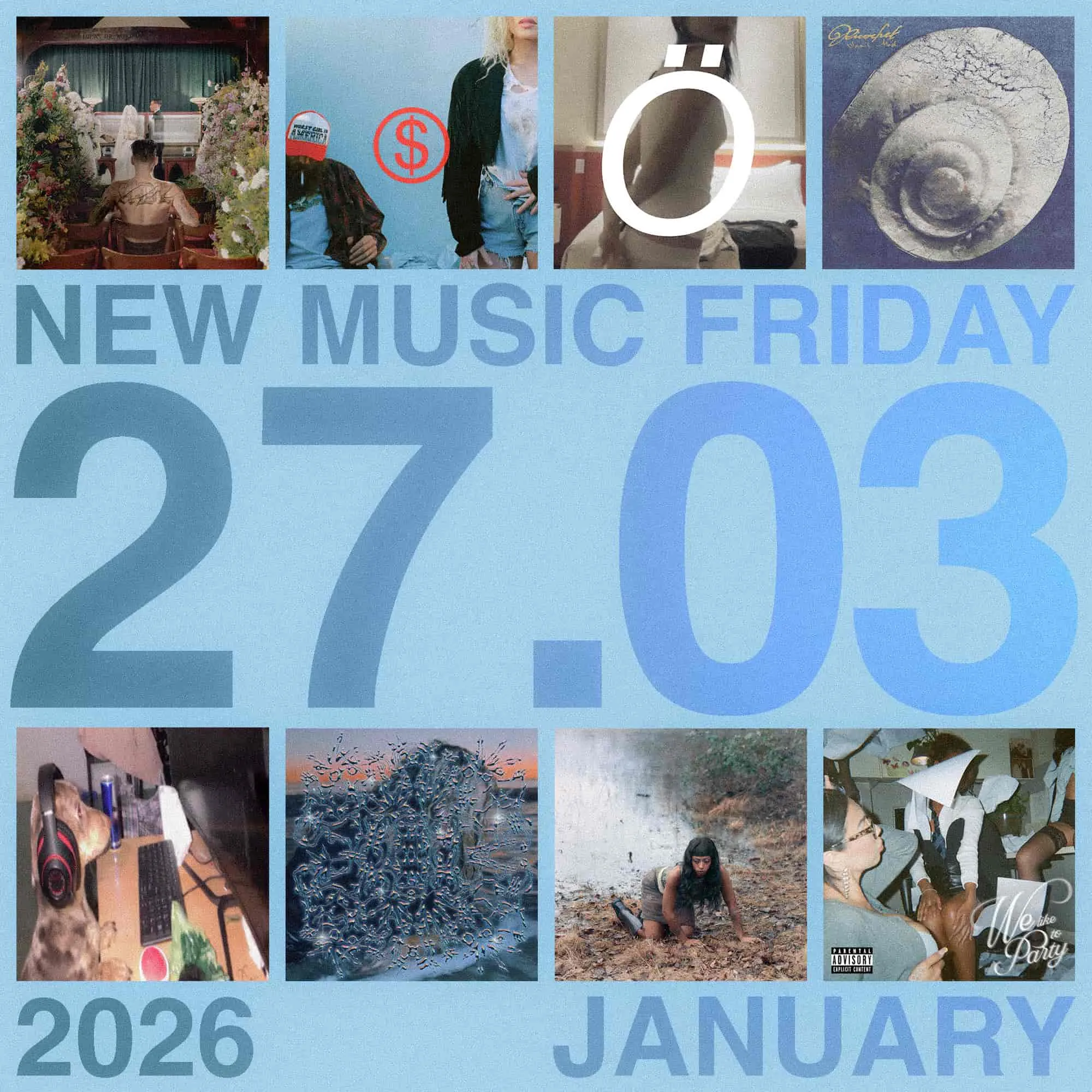
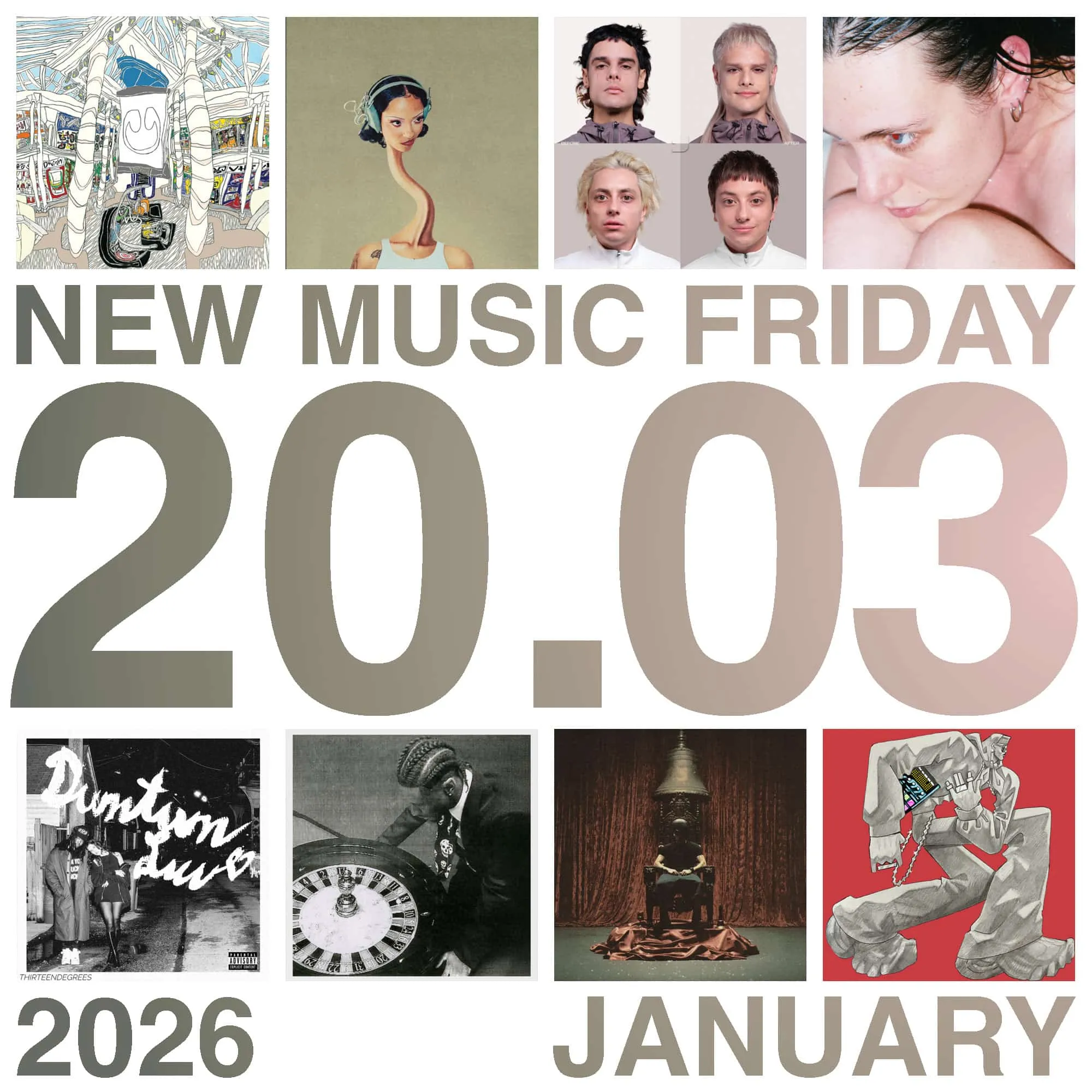
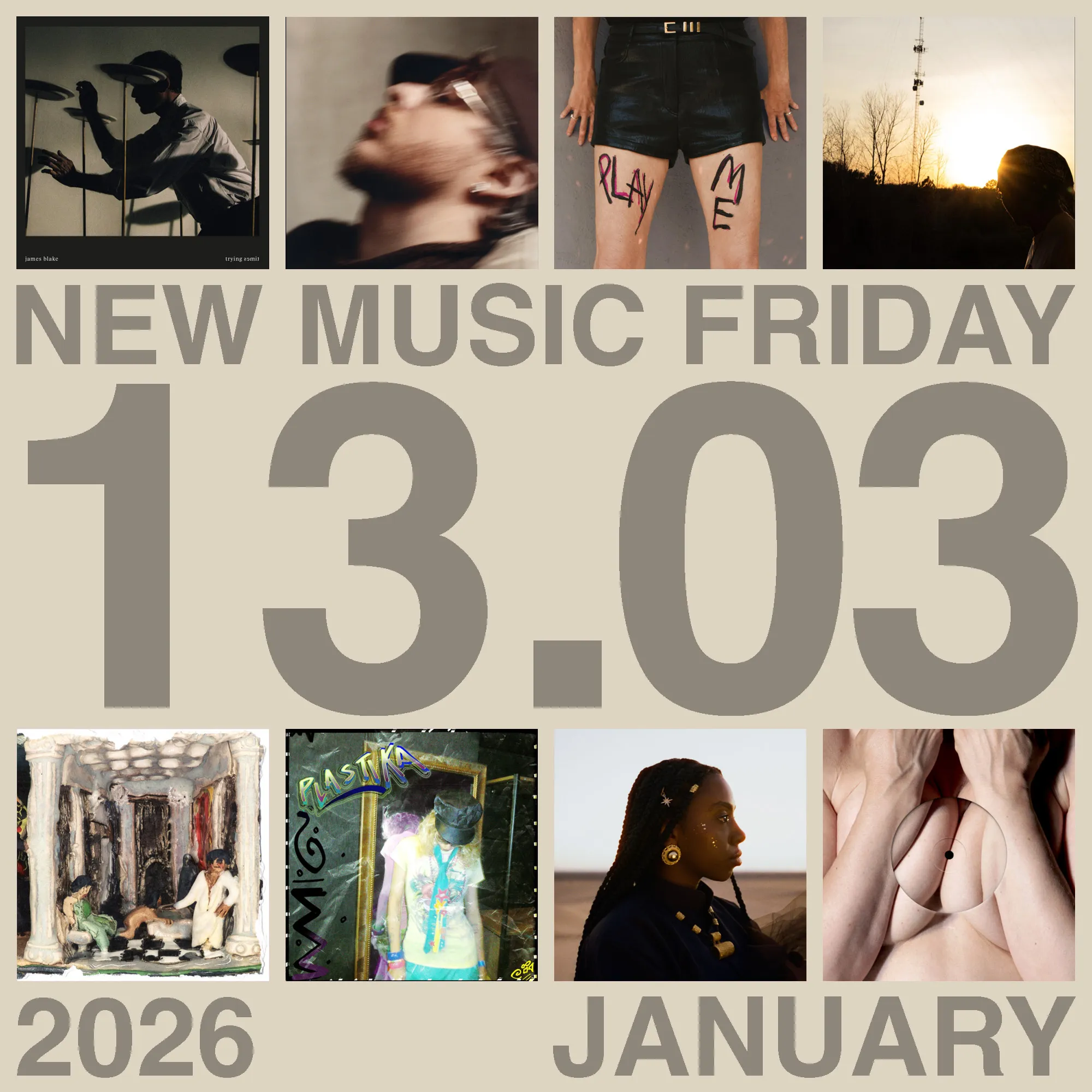
MAR NMF 06.03.26 NMF 13.03.26 NMF 20.03.26 NMF 27.03.26
TOP ALBUMS OF 2025
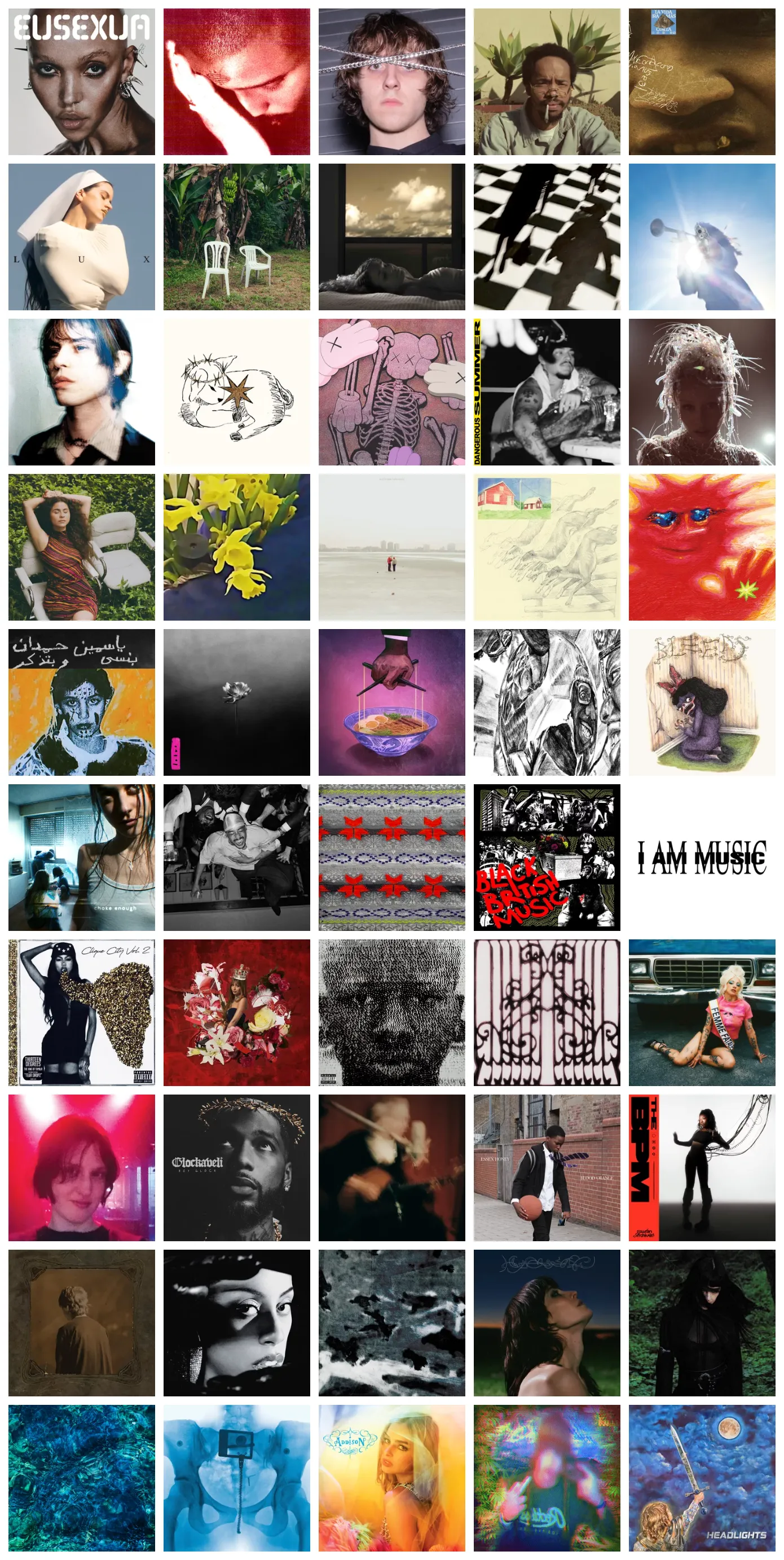
- 1. FKA twigs - EUSEXUA
- 2. Nourished by Time - The Passionate Ones
- 3. Cameron Winter - Heavy Metal
- 4. Earl Sweatshirt - Live Laugh Love
- 5. Milo j - La Vida Era Más Corta
- 6. ROSALÍA - LUX
- 7. Bad Bunny - DeBÍ TiRAR MáS FOToS
- 8. Erika de Casier - Lifetime
- 9. SMERZ - Big city life
- 10. Geese - Getting Killed
- 11. Elias Rønnenfelt - Speak Daggers
- 12. Candelabro - Deseo, carne y voluntad
- 13. Clipse - Let God Sort Em Out
- 14. Yeat - DANGEROUS SUMMER
- 15. Miley Cyrus - Something Beautiful
- 16. Silvana Estrada - Vendrán Suaves Lluvias
- 17. Dean Blunt - LUCRE
- 18. Racing Mount Pleasant - Racing Mount Pleasant
- 19. QUICKLY, QUICKLY - I Heard That Noise
- 20. Black Country, New Road - Forever Howlong
- 21. Yasmine Hamdan - I remember I forget بنسى وبتذكر
- 22. Little Simz - Lotus
- 23. Freddie Gibbs - Alfredo 2
- 24. Mike - Pinball II
- 25. Wednesday - Bleeds
- 26. Oklou - choke enough
- 27. Dijon - Baby
- 28. bassvictim - Forever
- 29. Jim Legxacy - Black British Music (2025)
- 30. Playboi Carti - Music
- 31. thirteendegrees ° - Clique City Vol. 2
- 32. PinkPantheress - Fancy That
- 33. Feardorian - Leaving Home
- 34. Model/Actriz - Pirouette
- 35. Mon Laferte - FEMME FATALE
- 36. Joanne Robertson - Blurrr
- 37. Key Glock - Glockaveli
- 38. Natalia Lafourcade - Cancionera
- 39. Blood Orange - Essex Honey
- 40. Sudan Archives - THE BPM
- 41. Ethel Cain - Willoughby Tucker, I'll Always Love You
- 42. Rochelle Jordan - Through The Wall
- 43. Mick Jenkins, EMIL - A MURDER OF CROWS
- 44. Lyra Pramuk - Hymnal
- 45. Not For Radio - Melt
- 46. Ichiko Aoba - Luminescent Creatures
- 47. Lorde - Virgin
- 48. Addison Rae - ADDISON
- 49. smokedope2016 - The Peak
- 50. Alex G - Headlights
NEW MUSIC FRIDAYS ARCHIVE 2025
I will start making these again in 2026.
NMF 28.11.25 NMF 21.11.25 NMF 14.11.25 NMF 07.11.25
NMF 31.10.25 NMF 24.10.25 NMF 17.10.25 NMF 10.10.25 NMF 03.10.25
NMF 26.09.25 NMF 19.09.25 NMF 12.09.25 NMF 05.09.25
NMF 29.08.25 NMF 22.08.25 NMF 15.08.25 NMF 08.08.25 NMF 01.08.25
NMF 25.07.25 NMF 18.07.25 NMF 11.07.25 NMF 04.07.25
NMF 27.06.25 NMF 20.06.25 NMF 13.06.25 NMF 06.06.25
NMF 30.05.25 NMF 23.05.25 NMF 16.05.25 NMF 02.05.25
NMF 25.04.25 NMF 18.04.25 NMF 11.04.25 NMF 04.04.25
NMF 14.03.25 NMF 08.03.25